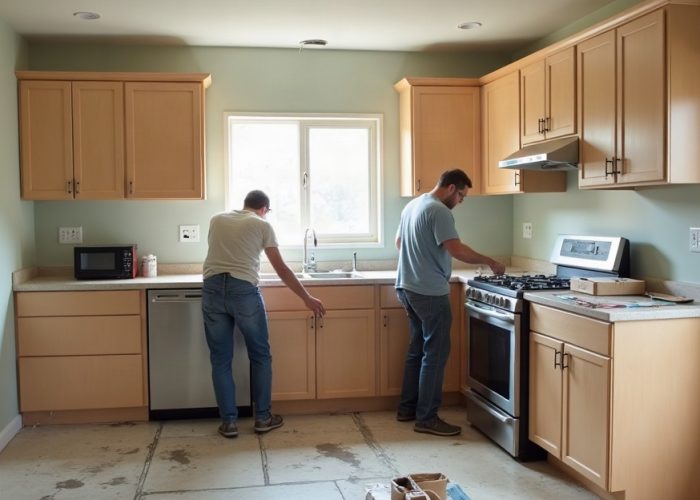
Kitchen Remodel Cost in 2026: A Line-by-Line Budget for Homeowners
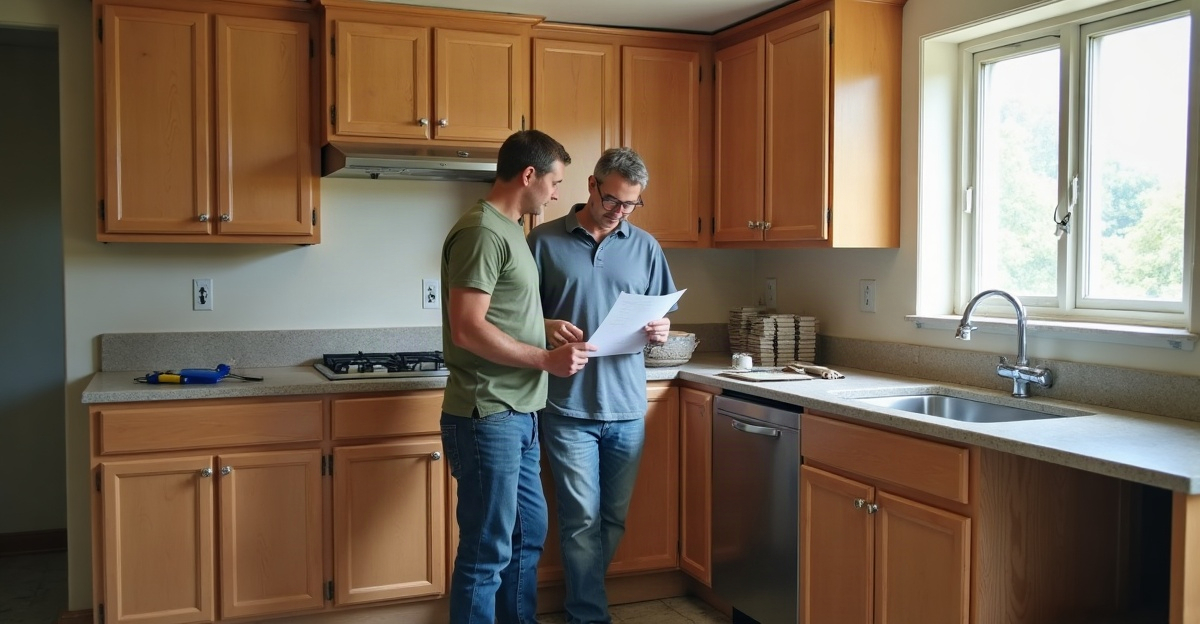
A kitchen remodel in 2026 can cost approximately $15,000–$45,000 for a cosmetic refresh, $45,000–$110,000 for a mid-range renovation, and $110,000–$250,000 or more for a full redesign with layout changes and premium finishes.
We base final costs on kitchen size, local labor rates, cabinet and material selections, utility changes, permits, and a contingency fund for hidden conditions.
Key Takeaways
- Keep the existing layout to lower plumbing, electrical, ventilation, permit, and finish-work costs.
- Cabinetry often represents the largest budget category. Installed cabinets can cost about $10,000–$75,000 or more.
- Create an itemized budget for design, demolition, cabinets, countertops, tile, appliances, utilities, finish work, and approvals.
- Set aside 10%–20% of the total budget for unexpected repairs. We strongly recommend this reserve for older homes, demolition work, and layout changes.
- Compare detailed contractor quotes. Review inclusions, exclusions, material allowances, installation duties, lead times, and cleanup.
How Much Is a Kitchen Remodel in 2026?
How much is a kitchen remodel in 2026? For practical planning, we recommend allowing roughly $15,000 to $45,000 for a cosmetic refresh, $45,000 to $110,000 for a mid-range renovation, and $110,000 to $250,000 or more for a full redesign with layout changes, custom work, and premium finishes. The final number depends on kitchen size, region, labor rates, property type, existing conditions, material selections, and whether plumbing, electrical, walls, or ventilation move.
These are broad installed-cost planning ranges, not a single national average or a substitute for a local quote. Our estimates assume typical labor, materials, demolition, installation, delivery, disposal, and a basic contingency. Appliance packages, design fees, permits, inspections, taxes, engineering, building approvals, temporary kitchens, and major concealed repairs may fall outside a contractor’s base price unless clearly listed.
Product-only pricing rarely reflects the complete investment. Cabinet assembly, countertop templating and fabrication, surface preparation, tile setting, delivery, electrical work, plumbing connections, finish carpentry, and cleanup can make up a major share of how much it is to remodel a kitchen.
Published: November 2, 2026. Last updated: November 2, 2026. Geographic coverage: United States planning guidance, with costs subject to local market conditions. We recommend reassessing ranges annually and quarterly in volatile labor or material markets.
Kitchen Remodel Cost at a Glance: Budget by Project Scope
A $30,000 kitchen refresh and a $30,000 full remodel can describe very different projects. Scope matters more than the headline budget.
Cosmetic refresh: approximately $15,000–$45,000. This keeps the existing footprint and utility locations. It may include paint, lighting, hardware, backsplash tile, flooring, countertops, selected appliances, or cabinet refacing if cabinet boxes remain sound. Cabinet replacement, major appliance upgrades, permits, and professional installation may be partial or excluded, depending on the project.
Mid-range renovation: approximately $45,000–$110,000. This commonly includes new semi-custom cabinetry, quartz counters, backsplash, flooring, lighting, fixtures, and a standard appliance package while keeping most plumbing and electrical locations in place. Electrical upgrades, uneven floors, ventilation changes, premium tile layouts, and upgraded appliances can raise the budget quickly.
Full renovation: approximately $110,000–$250,000+. This scope can include custom cabinetry, premium appliances, natural stone fabrication, relocated plumbing, detailed tile installation, walls or windows, structural changes, and new ventilation routes. Engineering, building approvals, inspections, longer lead times, and a larger contingency reserve often apply.
Typical timelines are 2–6 weeks for a refresh, 6–12 weeks for a mid-range renovation, and 12–24 weeks or longer for a full renovation after planning and ordering. These are estimates, not guarantees. For a closer look at sequencing, review our kitchen remodel timeline.
Kitchen Remodel Cost Breakdown by Line Item
Use line items to compare quotes fairly. A lower total may exclude work that another proposal includes.
Design, measurements, and planning: $1,000–$12,000+. This can include field measurements, layouts, drawings, material selections, and engineering coordination. Final measurements should happen before cabinet and countertop orders. Small measurement errors can affect installation, appliance clearances, and fabricated surfaces.
Permits, inspections, and approvals: $500–$10,000+. Costs vary by municipality and building. Condos, co-ops, brownstones, and multifamily properties may add approval packages, elevator reservations, parking requirements, insurance documentation, or union rules.
Demolition, disposal, and site protection: $2,000–$12,000+. This includes demolition, hauling, disposal, dust barriers, floor protection, and cleanup. Asbestos, mold, water damage, wall repairs, and subfloor repairs can appear after demolition and should sit outside a fixed allowance unless known in advance.
Cabinetry and installation: $10,000–$75,000+. Stock cabinets occupy the lower end, semi-custom cabinets provide more size and finish options, and custom cabinetry reaches the highest range. Confirm whether the quote includes delivery, assembly, installation, trim, fillers, panels, hardware, modifications, and removal of existing cabinets. Explore finish and storage options through our kitchen cabinets collection.
Countertops: $3,000–$25,000+. Laminate, solid surface, quartz, porcelain or sintered stone, and natural stone vary in material and fabrication costs. Installed pricing should cover templating, slab allocation, fabrication, edge profiles, cutouts, delivery, installation, and sealing where needed. Browse kitchen countertops with installation requirements in mind.
Tile and flooring: $2,000–$18,000+. Include tile or flooring material, underlayment, setting materials, grout, surface preparation, installation, and transitions. Large-format tile, handmade material, mosaics, natural stone, intricate patterns, waterproofing, and wall leveling can add substantial labor. Our tile material options make it easier to compare appearance, care, and installation needs.
Appliances, plumbing, electrical, and ventilation: $6,000–$45,000+. This includes appliance purchase and installation, sinks, faucets, plumbing labor, water lines, outlets, lighting, circuits, panel work, range hoods, and ducting. Confirm appliance dimensions, gas availability, electrical requirements, and ventilation routes before cabinet ordering or countertop fabrication.
Finish work and project support: $2,000–$25,000+. Allow for drywall, paint, trim, finish carpentry, windows, structural work, storage, delivery, temporary kitchen needs, and final punch-list work.
Contingency reserve: 10%–20% of the project budget. We recommend the higher end for older homes, extensive demolition, layout changes, condos or co-ops, and projects with uncertain existing conditions.
What Raises or Lowers Your Kitchen Remodel Cost?
Keeping the existing kitchen footprint is often the clearest way to control spending. Retaining the sink, range, dishwasher, electrical circuits, and hood location can reduce plumbing, electrical, patching, permit, and finish-work requirements.
Changing the layout has a wider effect than many homeowners expect. Moving a sink may require new supply and drain lines. Moving a range can involve gas, electric, hood ducting, makeup air, and fire-safety requirements. Removing a wall, changing a window, or moving a vent can also bring structural review and approvals.
Location and property type matter. Labor rates, local taxes, permit rules, parking, building access, elevator schedules, co-op requirements, and dense urban conditions can materially change how much to remodel a kitchen. National planning data should never replace a detailed local estimate.
Material choices also shape both upfront and installed cost. Stock cabinets usually offer faster, lower-cost solutions, while semi-custom and custom cabinets add flexibility. Laminate and solid surface counters can simplify fabrication, while quartz, porcelain, and natural stone offer different looks, maintenance needs, seams, edge options, and lead times. Simple field tile often installs faster than mosaic, handmade, large-format, or complex-pattern tile.
We recommend matching materials to cooking habits, maintenance preferences, design goals, project timing, and expected time in the home. A kitchen should support daily life first, then deliver the visual impact we want.
How to Build a Kitchen Remodel Budget and Decide Where to Spend
Budget-Planning Checklist
Build the budget before selecting finishes that exceed the target scope.
- Define project goals and how long we expect to remain in the home.
- Measure the space and document existing appliance, plumbing, electrical, and ventilation locations.
- Decide whether the layout will change and reserve 10%–20% for contingency.
- Prioritize materials by daily use, durability, maintenance, and visual goals.
- Request detailed quotes that identify inclusions, exclusions, allowances, and installation responsibilities.
- Compare cabinet, countertop, appliance, and tile lead times before ordering.
- Confirm permits, inspections, and building approvals before demolition or material delivery.
Where to Save and Where to Invest
To manage costs, keep the layout, choose semi-custom cabinetry, use a simpler tile pattern, limit custom modifications, phase nonessential upgrades, and select materials with less fabrication or installation complexity.
We recommend investing in durable cabinet construction, correct waterproofing and surface preparation, quality countertop fabrication, adequate task lighting, under-cabinet lighting, ventilation, and skilled plumbing and electrical work. These elements affect function long after a paint color or cabinet pull changes.
Don’t automatically select the lowest quote. Compare scope, allowances, material specifications, lead times, warranties, permits, cleanup, and contingency assumptions. Before signing, use these questions for a kitchen contractor to clarify responsibilities.
From our material planning experience, tile installation details deserve early attention. A tile selection can look straightforward until outlet placement, corners, edge trims, wall flatness, and grout choice enter the plan. Confirm the layout, tile quantity, trims, and installation method before ordering. Professional planning often prevents costly last-minute substitutions, which is why kitchen design services can add real value.
Kitchen Remodel Value, Timelines, and Homeowner Questions
A kitchen remodel may improve function, condition, energy efficiency, durability, marketability, and everyday enjoyment. Resale recovery varies by local market, home value, scope, finish choices, and buyer preferences. We shouldn’t treat any renovation as a guaranteed financial return.
Most projects move through planning and selections, permits or approvals, ordering and lead times, demolition, rough construction, cabinet installation, countertop templating and installation, finish work, inspections, and punch-list corrections. A detailed kitchen renovation guide can help us prepare for the decisions at each stage.
How much is a small kitchen remodel in 2026? A small kitchen may cost $15,000–$60,000 or more, depending on whether we refresh finishes or replace cabinetry, appliances, and utilities.
Can we remodel a kitchen for $30,000? Yes, particularly when we keep the layout, control appliance spending, use stock or selected semi-custom cabinets, and choose straightforward installation details. Full layout changes usually require more.
What is the most expensive part of a kitchen remodel? Cabinetry often represents the largest category, followed by labor, countertops, appliances, and utility changes. The order shifts with scope.
How much does it cost without changing the layout? Keeping the layout can support a refresh or mid-range plan, often around $15,000–$90,000, depending on cabinets, appliances, finishes, and local labor.
How much should we budget for cabinets, countertops, and labor? Start with cabinetry, countertop fabrication, and installation as separate categories. Ask each trade for an itemized scope rather than relying on percentages alone.
How much contingency should we set aside? Reserve approximately 10%–20%. Use 20% where demolition or building conditions carry more uncertainty.
Is it cheaper to reface cabinets or replace them? Refacing can cost less if cabinet boxes are sound and the existing layout works. Replacement may offer better storage, durability, and design flexibility where boxes are damaged or poorly configured.
Does moving a sink or stove increase costs? Usually, yes. Utility relocation can require plumbing, electrical, gas, venting, permits, patching, and inspections.
How long does a kitchen remodel take? A refresh may take several weeks. A full renovation can take several months once approvals, ordering, construction, inspections, and punch-list work are included.
For detailed pricing, we recommend consulting local licensed professionals and confirming every included and excluded item before committing to a scope. Once we have a preliminary budget and project scope, visit the Galactic Tiles showroom or schedule a consultation to compare tile, countertop, cabinetry, and finish options in person.
About Galactic Tiles: Our team helps homeowners compare kitchen materials, finishes, installation requirements, and design options with practical renovation planning in mind. We focus on clear product guidance and coordinated selections that support a confident remodel.