
Is a Custom Kitchen Renovation Worth the Investment?
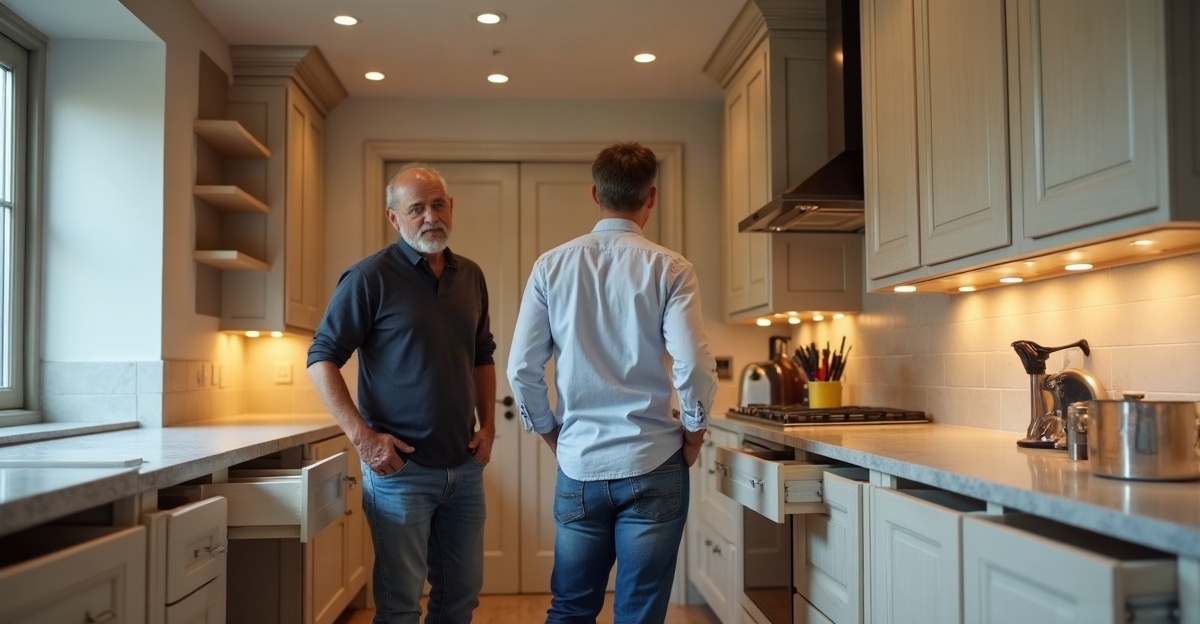
A custom kitchen renovation earns its cost when it solves ongoing issues with layout, storage, accessibility, appliance placement, lighting, or daily workflow. We should set the project scope based on the home’s condition, future plans, budget, maintenance preferences, and the practical value of custom features beyond cosmetic changes.
Key Takeaways
- Custom cabinetry delivers the most value in kitchens with uncommon dimensions, limited storage, accessibility requirements, or exact appliance and clearance needs.
- We should prioritize long-term upgrades, including layout planning, durable cabinet construction, efficient storage, ventilation, electrical capacity, countertops, and expert installation.
- Refacing, refinishing, stock, or semi-custom cabinets may offer better value when existing cabinet boxes remain in good condition and the current layout functions well.
- We can reduce costs on simpler replacement items, such as hardware, decorative lighting, backsplash tile, and trend-based finishes, while still choosing materials that support easy cleaning and maintenance.
- A well-planned renovation can improve buyer appeal, though resale value varies by location, property value, project quality, and how well the kitchen fits the home.
When a Custom Kitchen Renovation Is Worth the Investment
A custom kitchen renovation may be worth it when it solves a meaningful problem. Poor workflow, limited storage, awkward room dimensions, inaccessible cabinetry, weak lighting, outdated electrical capacity, and an unsuitable layout can affect daily life for years.
Custom work is not automatically the right choice for every home. We need to weigh the budget, lifestyle, property type, existing kitchen condition, maintenance expectations, neighborhood value, timeline, and long-term plans before choosing a renovation scope.
Customization also does not have to mean a luxury kitchen renovation. It can mean better layout planning, cabinet sizing, purposeful storage, accessible design, appliance fit, lighting, ventilation, and materials that suit how we use the space. A practical plan often creates greater daily value than a kitchen filled with premium features that do not solve real needs.
Invest where we will feel the difference every day. A well-planned work zone, storage based on household routines, and durable, easy-clean surfaces can deliver more meaningful value than decorative upgrades alone.
Resale results vary by location, buyer expectations, neighborhood home values, project quality, overall home condition, and how well the renovation suits the property’s character. A thoughtful kitchen can support buyer appeal, but no renovation guarantees a specific return. For early planning, our guide to kitchen remodel costs can help frame the decisions that shape project scope.
What “Custom” Means: From Better Storage to a Full Kitchen Redesign
A kitchen cabinet renovation can take many forms. Understanding the range helps us invest in the right level of change instead of assuming that custom always means the most expensive option.
Repainting or refinishing cabinets works well when cabinet boxes are sound, the layout functions properly, and a visual update is the main goal. It will not improve storage capacity, clearances, or appliance fit.
Cabinet refacing retains existing cabinet boxes while replacing doors and drawer fronts, along with visible exterior surfaces. This can be a good fit when the boxes and layout are in good condition. Stock cabinets offer preset sizes, finishes, and configurations, which often suit straightforward rooms, limited budgets, and shorter schedules.
Semi-custom cabinets provide more sizing, finish, storage, and configuration options than stock products. Fully custom cabinets are built around specific dimensions, storage needs, accessible design requirements, and workflow. They can be especially useful in brownstones, condos, co-ops, multifamily properties, older homes, and kitchens with unusual dimensions.
| Option | Best Use Case | Sizing Flexibility | Storage Options | Layout Limitations | Timeline Considerations | Likely Tradeoffs |
|---|---|---|---|---|---|---|
| Custom | Unique rooms, specialized storage, accessibility needs, and precise appliance fit | Highest; made to fit the space | Highly configurable | Can address difficult dimensions and clearances | Usually requires more planning and fabrication time | Greater coordination and material decisions |
| Semi-Custom | Homes needing added flexibility without fully made-to-fit cabinetry | Moderate to high | Many upgrades available | Works within manufacturer size ranges | Varies by selected options | May require fillers or compromises in unusual spaces |
| Stock | Simple layouts, controlled budgets, and standard room dimensions | Limited | Basic to moderate | Depends on preset cabinet sizes | Often simpler to source and install | Less flexibility for storage and difficult appliance locations |
| Cabinet Refacing | Sound cabinet boxes with a workable existing layout | Limited to existing cabinet footprint | Some interior upgrades may be possible | Does not solve major layout or clearance problems | Often avoids full cabinet replacement | Existing boxes, plumbing locations, and layout remain |
Whether we choose refacing, semi-custom cabinetry, or a full custom kitchen renovation, cabinet boxes, doors and drawer fronts, clearances, appliance fit, and accessible design should guide the decision. Explore practical kitchen cabinet renovation ideas before selecting a final direction.
The Value Drivers That Matter Most in Daily Kitchen Use
Strong kitchen renovation design balances functionality, durability, personal style, and potential resale appeal. A beautiful kitchen should also work well for cooking, storage, cleaning, lighting, ventilation, and everyday movement.
Function starts with the plan. We should consider how the household cooks, cleans, stores groceries, uses small appliances, hosts guests, and moves through the room. Correct work-zone spacing, useful clearances, layered lighting, properly sized ventilation, and thoughtful appliance planning can make a modest kitchen feel far better to use.
Cabinetry has a major role. Tailored cabinet sizes, pull-out storage, pantry organization, and accessible cabinetry help reduce clutter. Full-height cabinetry is a practical way to add storage where ceiling height allows, especially in compact kitchens where every usable inch matters.
Durability deserves equal attention. Quality cabinet construction, moisture-resistant materials near sinks and dishwashers, durable countertops, and professional installation can influence long-term performance. We recommend prioritizing the features that receive daily wear over finishes selected only for immediate visual impact.
Personal style brings cabinetry, countertops, tile, stone, hardware, lighting, and finishes into one cohesive composition. A modern kitchen renovation can feel current without relying on short-lived trends. We should select colors, textures, and details that fit the home’s architecture, scale, and maintenance needs.
A luxury kitchen renovation may include premium stone, specialty cabinetry, or high-end appliances. Yet a functional custom kitchen renovation can be equally successful with practical materials and focused upgrades. Luxury materials do not automatically create the best result; smart planning does. Professional kitchen design services can help coordinate those decisions before construction begins.
Where to Spend, Where to Save, and How to Phase the Work
Spend on the elements that are difficult or disruptive to change later. Layout planning, quality cabinet construction, functional storage, durable countertops, appliance fit, electrical capacity, ventilation, and professional installation often deserve a larger share of the budget because they affect long-term use.
Major cost drivers include layout changes, labor, location, cabinetry level, material selection, plumbing or electrical work, permits, and appliance upgrades. Each project has different conditions, so a custom kitchen renovation should begin with a clear scope rather than a generic budget assumption.
We can often save on backsplash tile, hardware, decorative lighting, and trend-forward finishes, provided they still meet cleaning and maintenance needs. Hardware and decorative fixtures are generally easier to update later than cabinetry, counters, or a completed layout.
Phasing can be a practical alternative to a full gut remodel. We may update cabinet fronts and counters now while postponing a larger layout change. A kitchen cabinet renovation can improve function today while preserving structural changes for a later phase, when timing and funds allow.
A partial renovation is often the smarter choice when the existing layout works and major mechanical changes are not feasible. At the same time, we should reserve contingency funds for unforeseen conditions, especially in older homes with plumbing, electrical, structural, or permit-related work. Our overview of kitchen remodeling services explains how planning and construction stages typically connect.
Choosing Cabinets, Countertops, Tile, Stone, and Finishes for Long-Term Performance
Every material choice involves tradeoffs. We should compare cabinetry, countertops, tile, stone, lighting, appliances, and finishes based on daily use instead of selecting a single “best” material for every kitchen.
For cabinetry, consider construction quality, finish durability, moisture exposure near sinks and dishwashers, repairability, storage configuration, and the difference between standard sizes and made-to-fit solutions. A cabinet finish that looks excellent in a sample should also suit the kitchen’s cleaning routine.
Countertop selection should account for durability, scratch resistance, stain and moisture resistance, heat performance, maintenance requirements, repairability, installation complexity, edge profiles, and long-term appearance. Our selection of kitchen countertops makes it easier to compare materials with the full design in view.
Tile and stone also need practical review. Grout, finish choices, stain and moisture resistance, maintenance, cleaning needs, and installation requirements all affect the outcome. A durable porcelain tile backsplash can simplify cleaning, while grout color, grout width, and finish influence both upkeep and the final look.
Lighting and hardware should support function as well as style. Task lighting helps with food preparation, while decorative lighting and hardware can refresh a modern kitchen renovation later without rebuilding the room. We recommend gathering samples and viewing them together under kitchen lighting. Undertones, texture, sheen, edge profiles, and grout colors can look very different in person than they do online.
Questions to Ask Before Committing to a Custom Kitchen Plan
Questions to Ask Before Investing in a Custom Kitchen Renovation
Use this checklist to identify the renovation level that best supports the home and household:
- How long do we expect to remain in the home?
- Does the layout create workflow, storage, clearance, accessibility, lighting, or appliance-fit problems?
- What is the condition of the plumbing, electrical capacity, ventilation, structure, and potential permit requirements?
- How does the household cook, entertain, clean, and store groceries, cookware, and small appliances?
- What household-size and accessibility needs exist now and in the future?
- What budget and contingency funds are available, and which changes will make the greatest daily difference?
- Does the project fit the neighborhood and property-value context without assuming it will fully pay for itself at resale?
- What level of sealing, cleaning, maintenance, and repair work is realistic?
- What timeline and level of construction disruption can the household tolerate?
Making the Right Level of Investment
A custom renovation may be worth it when the current kitchen creates persistent functional problems, the home has difficult dimensions, long-term living plans support the investment, or made-to-fit cabinetry will meaningfully improve storage and access.
A more modest renovation may make more sense when cabinet boxes are sound, the layout works, a sale is near, or the main need is a visual update. In those cases, refacing, refinishing, new counters, tile, lighting, or selective storage upgrades may deliver the right result.
For resale, prioritize an appealing, functional layout and materials that suit the home rather than assuming a luxury kitchen renovation will guarantee a return. Custom cabinets differ from semi-custom cabinets because they are built for precise dimensions and specific requirements, while semi-custom lines offer expanded choices within set manufacturer ranges. Cabinet refacing can be better than replacement when existing boxes and the layout remain in good condition.
Durable countertop and backsplash choices depend on realistic maintenance habits, moisture exposure, cleaning needs, and desired appearance over time. We can renovate in phases when the plan accounts for future work and avoids repeating costly labor.
The best investment is not necessarily the most expensive option; it is the option that best fits the home, household, and long-term plan. Any renovation-cost data, remodeling reports, or resale statistics should come from reputable, current sources and clearly state the market scope and date. For hands-on guidance, we can compare kitchen cabinets, material samples, tile, stone, and finishes at Galactic Tiles, or contact our team for help shaping a confident plan.