how much does a bathroom renovation cost
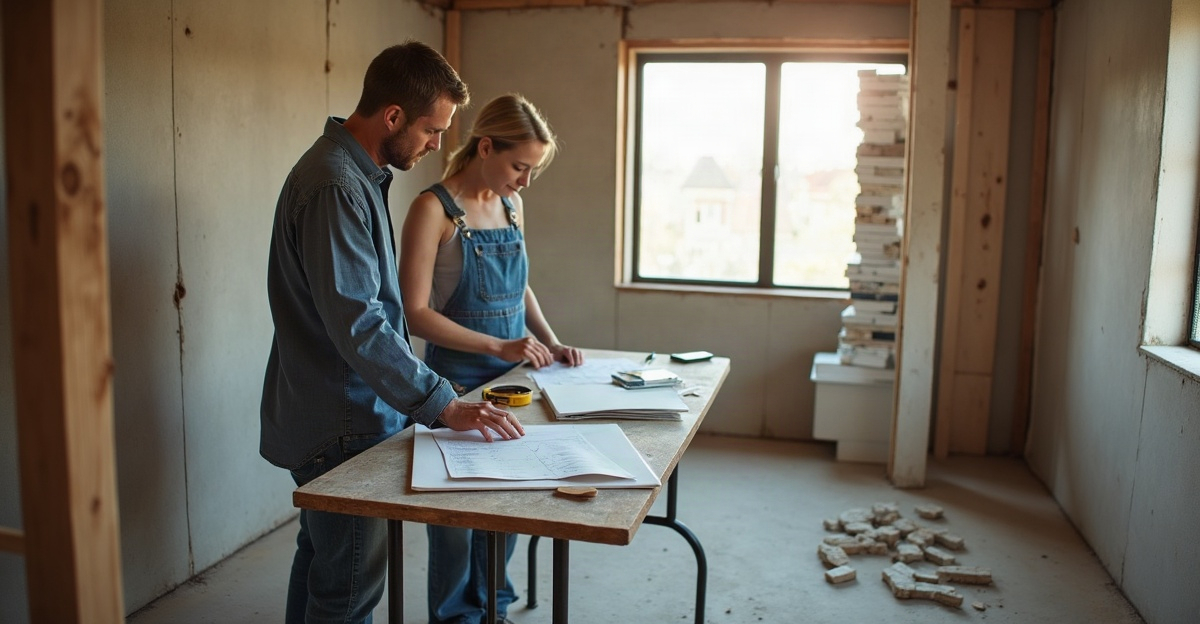
Bathroom renovation costs depend on the project scope, existing conditions, local labor rates, building requirements, and material choices. We can control costs by keeping the current layout. Full-gut renovations, plumbing moves, waterproofing, custom cabinetry, and complex tile work raise the budget.
Key Takeaways
- We recommend a detailed local proposal over average pricing. Property type, access limits, permits, and hidden repairs can vary significantly.
- Small bathrooms may cost less overall. However, they often carry a higher cost per square foot because core labor and waterproofing requirements remain similar.
- We recommend protecting the budget for waterproofing, ventilation, licensed plumbing and electrical work, permits, and essential repairs before selecting decorative upgrades.
- Tile and stone pricing includes surface preparation, waterproofing, trim, grout, waste, and installation. Intricate patterns, mosaics, and large-format tiles require additional labor.
- We recommend comparing quotes with the same scope. Confirm product allowances and set aside a contingency for unexpected conditions, especially in older homes and full-gut renovations.
Bathroom Renovation Costs at a Glance
Bathroom renovation costs are broad planning estimates, not a contractor quote. A site visit, review of existing conditions, local labor rates, building requirements, and a detailed scope are essential before we can price a project accurately.
Costs vary by location. Urban markets, condos, co-ops, brownstones, older homes, and buildings with restricted access can raise the final price. Work-hour rules, elevator reservations, insurance documentation, debris removal, limited staging space, aging plumbing, and specialty labor all affect the scope.
How much does a bathroom renovation cost? The answer depends less on the room alone and more on what sits behind the walls, which materials we select, and whether we change the layout. A compact guest bath may have a lower overall budget than a primary bath, yet it can carry a higher cost per square foot because core labor, permits, waterproofing, and mobilization remain similar.
| Typical scope | What is usually included | Common exclusions or variables | Who this option fits |
|---|---|---|---|
| Cosmetic bathroom refresh | Paint, lighting, fixture updates, vanity replacement, and minor tile changes without major plumbing relocation | Hidden repairs, new shower systems, layout changes, permit requirements, and major electrical upgrades | Bathrooms with sound finishes and systems that need a visual update |
| Mid-range bathroom renovation | New vanity, countertop, toilet, flooring, shower or tub updates, tile, fixtures, lighting, and selected repairs or system upgrades | Structural corrections, extensive plumbing moves, premium stone fabrication, custom cabinetry, and building-specific costs | Homeowners improving performance, storage, and overall style |
| High-end or full-gut renovation | Complete demolition, waterproofed shower system, premium tile or stone, custom cabinetry, layout changes, relocated plumbing or electrical, and elevated fixtures | Unexpected structural issues, specialty engineering, building approvals, and custom fabrication requirements | Bathrooms needing major correction, complete redesign, or luxury finishes |
| Primary or master bathroom renovation | Larger shower areas, double vanities, freestanding tubs, extra storage, and layered lighting may be included | Room size, fixture count, plumbing changes, custom finishes, and glass or stone selections | Larger bathrooms intended for daily comfort and long-term usability |
How much does a bathroom remodel cost, how much is a bathroom renovation, and how much does a complete bathroom remodel cost are best answered with an itemized local proposal. A primary bathroom often costs more than a hall bath because it has more fixtures, more surface area, larger showers, double vanities, freestanding tubs, and more detailed finishes. That is also why how much does a master bathroom renovation cost can vary widely from one home to the next.
The Biggest Factors That Change the Final Price
Bathroom size matters, but it does not tell the whole story. Small bathrooms can still cost more per square foot because demolition, waterproofing, plumbing, electrical work, permits, and labor setup do not shrink in proportion to the room.
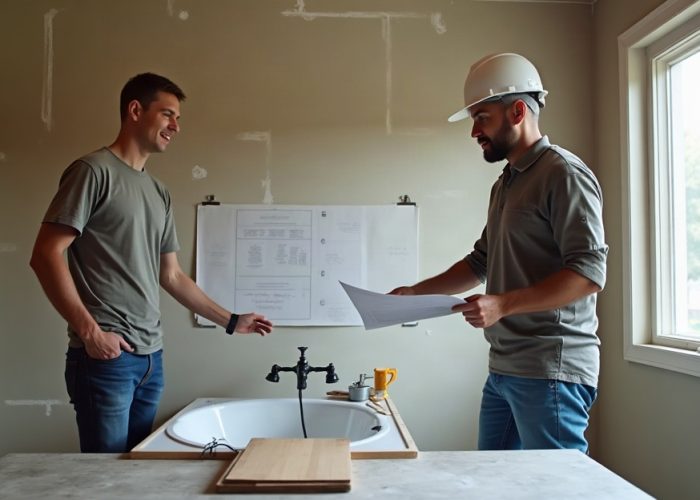
Scope is the leading cost driver. A refresh works around existing systems. A full-gut remodel removes most or all existing finishes and may expose framing, plumbing, electrical, or structural problems that require correction before new materials go in.
Existing conditions also shape the budget. Water damage, uneven walls, damaged subfloors, outdated wiring, poor ventilation, and old plumbing can change an apparently simple renovation into a repair-focused project. Demolition, disposal, site protection, framing adjustments, wall repairs, and hidden conditions can all add meaningful cost.
Other major variables include local labor availability, property type, permits, fixture quality, cabinetry, countertops, shower glass, tile complexity, and project management. A condo project may require approvals, inspections, proof of insurance, reserved elevator time, and restricted work hours. Older homes may need specialty labor to bring plumbing, electrical, or ventilation systems up to current requirements.
Behind-the-wall work is not optional extra spending. Proper waterproofing, substrate preparation, ventilation, qualified plumbing and electrical work, and permits where required protect the home from leaks, mold, unsafe wiring, and costly future repairs. We recommend planning these essential performance upgrades before allocating budget to decorative upgrades.
Durability starts with the materials and installation methods we choose. Reviewing ways to prevent tile cracks and selecting durable bathroom floor tile can help us prioritize performance where it matters most.
Where the Bathroom Renovation Budget Goes
No two budgets divide the same way. A straightforward project may spend more on finishes, while an older home may require a larger share for repairs, plumbing, electrical work, and approvals.
| Budget category | What it can include | Why it varies |
|---|---|---|
| Design, planning, and management | Measurements, material planning, scheduling, coordination, and project oversight | Scope detail, custom selections, and building requirements |
| Permits and approvals | Permits, inspections, board submissions, and required documentation | Local rules and property type |
| Demolition and preparation | Protection, removal, disposal, framing, wall repair, and subfloor repair | Existing conditions and access limitations |
| Systems work | Plumbing, electrical, ventilation, lighting, and waterproofing | Age of the home, layout changes, and code requirements |
| Finishes and installation | Tile, stone, grout, trim, cabinetry, countertops, shower glass, fixtures, and labor | Material level, fabrication, pattern complexity, and workmanship |
| Contingency | Funds reserved for hidden conditions or approved changes | Demolition findings, older construction, and scope uncertainty |
An allowance is a placeholder amount in a quote for a product category, such as tile, fixtures, a vanity, lighting, or countertops. The final price rises if the selected products exceed that allowance. We recommend confirming allowance amounts and the exact products they cover before approving a proposal.
Labor, plumbing, waterproofing, tile installation, cabinetry, and shower work often represent significant spending areas. Still, the most expensive element depends on the bathroom’s current condition and the planned scope. A carefully planned bathroom can improve daily function, visual appeal, and buyer interest, though resale results vary by market, timing, project quality, and buyer preferences.
How Tile, Stone, Vanities, and Countertops Affect Installed Costs
Material price is only one part of the installed cost. An economical tile may cost more to install if it uses a difficult pattern, needs extensive surface correction, or has many cuts around niches and fixtures.
Installed tile and stone work includes material quantity plus waste allowance, tile size and shape, layout, trim pieces, transitions, wall and floor preparation, waterproofing, grout, sealers, and setting materials. Herringbone, diagonal layouts, mosaics, decorative borders, shower benches, curbs, and niches all require added labor. Large-format tile also needs careful handling and leveling.
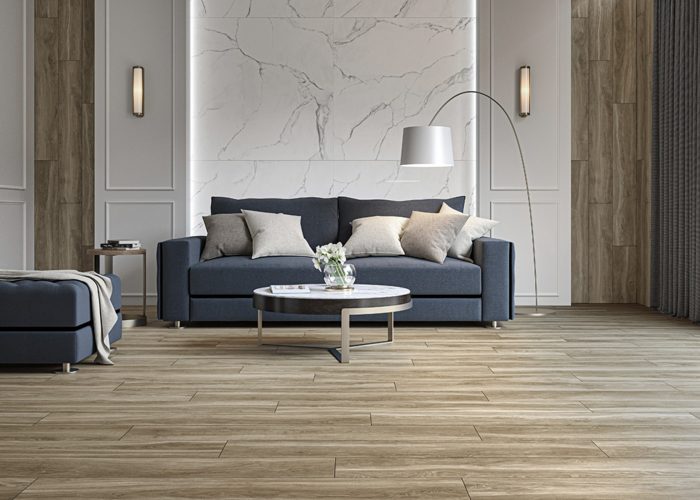
Porcelain is durable, low-maintenance, versatile, and often a strong fit for wet areas. Ceramic can be a cost-effective wall option when its product rating suits the application. Natural stone offers distinctive variation and timeless character, but it may require sealing, greater maintenance, and specialized fabrication or installation. We can help compare materials across practical tile applications before a final selection.
Quartz countertops offer a consistent appearance and lower-maintenance care, though heat exposure and fabrication details still matter. Natural stone countertops bring unique character and potential long-term appeal, with sealing and care needs that depend on the stone.
Vanity choices also shift the budget. Stock units usually offer the quickest path and strongest value. Semi-custom cabinetry expands sizing and finish options. Custom cabinetry provides the greatest flexibility for storage and unusual room dimensions, often with longer lead times and higher cost. Explore coordinated bathroom vanity options early so the countertop, plumbing, and storage plan work together.
A simpler installation pattern can free budget for a higher-quality tile or countertop. That approach often creates a stronger result than using complex layouts on every surface. For design direction, our modern bathroom tile ideas show how focused tile placement can make a bathroom feel considered without overcomplicating installation.
Why Layout Changes Can Increase Bathroom Remodel Costs
A layout change moves the location of a major element, such as a toilet, shower, tub, drain, plumbing wall, electrical circuit, or ventilation route. These changes can add substantial labor and coordination, especially in apartments and older homes.
Moving a toilet or shower drain may require work below the floor, modifications to supply and waste lines, and approval from a building or local authority. Relocating a tub, plumbing wall, circuit, or exhaust duct can involve similar coordination. Retaining the existing layout is one of the most reliable ways to control the budget.
Many design upgrades do not require relocation. Replacing a vanity in the same position, updating fixtures at existing connections, or selecting a new shower finish is generally less complex than moving supply lines, drains, electrical connections, or exhaust ducts. Coordinating tile with existing fixture locations also supports a cohesive plan; see our guidance on coordinating tile and fixtures.
Condo, co-op, and multifamily projects may add board approvals, inspections, insurance requirements, limited work hours, elevator access rules, and plumbing constraints. These details should appear in the scope before work begins, rather than becoming late-stage changes.
How to Plan a Realistic Budget and Compare Quotes
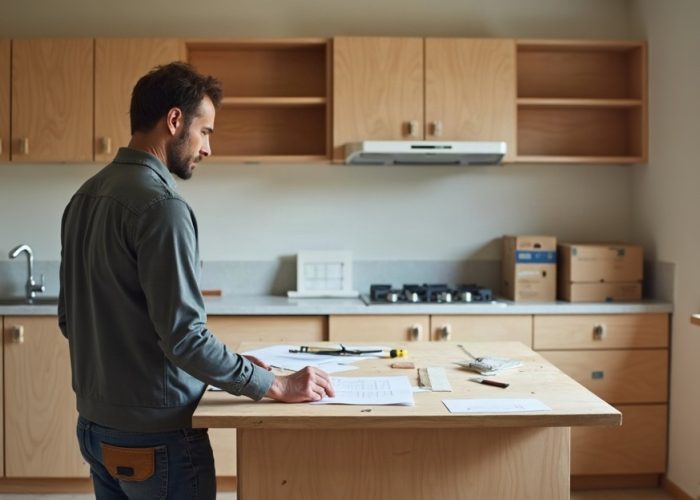
We can control costs without sacrificing safety or long-term performance. Keep the layout where practical, reserve intricate tile for a feature wall or shower niche, and balance investment materials with value-focused selections. Choose durable, readily available fixtures and finalize selections before construction starts to reduce delays and change orders.
Plan a contingency as a percentage of the working project budget, with a larger reserve for older homes and full-gut projects. We should never cut waterproofing, ventilation, permits, professional installation, or necessary repairs to reach a target number. Low initial material pricing can create higher lifetime costs, which is why it helps to understand why cheap tile costs more.
Questions to Ask Before We Request Bathroom Renovation Quotes
Use this checklist to compare proposals on the same scope:
- Is demolition, disposal, and site protection included?
- Does the quote include waterproofing, substrate preparation, grout, trim, and sealing where needed?
- Are permits, building approvals, insurance requirements, and inspections included?
- What allowances cover tile, vanity, countertops, fixtures, shower glass, and lighting?
- Which conditions could create change orders?
- Who orders, receives, and inspects materials?
- What is the expected timeline, and which building-access restrictions apply?
Bathroom Renovation Cost FAQ
How much does a bathroom remodel cost on average? A meaningful average can hide major regional and scope differences. Compare detailed local quotes that use the same plans, materials, and installation assumptions.
How much does a complete bathroom remodel cost? A complete remodel generally includes demolition, repair work, systems updates, waterproofing, new finishes, and installation. Layout changes, hidden damage, and premium materials can raise the cost substantially.
How much does a primary or master bathroom renovation cost? Primary bathrooms often cost more because they are larger and may include double vanities, larger showers, tubs, custom storage, more tile, and higher fixture counts.
What is the most expensive part of a bathroom renovation? Labor-intensive work, plumbing, waterproofing, shower construction, cabinetry, and tile installation are frequent major expenses. The largest cost depends on the existing condition and scope.
How much should we budget for tile in a bathroom remodel? Include tile, waste allowance, preparation, waterproofing, setting materials, grout, trim, labor, and any sealing needs. Complex patterns and mosaics can increase installation cost more than the tile itself.
Is it cheaper to keep the same bathroom layout? Usually, yes. Keeping fixtures in place can avoid drain, supply-line, electrical, and ventilation relocation work.
How much contingency should we plan for in a bathroom renovation? Set aside a percentage of the project budget, especially for older homes, gut renovations, or spaces with unknown conditions behind walls and floors.
Does a bathroom renovation require permits? Permit requirements depend on the location and work performed. Plumbing, electrical, ventilation, structural changes, and layout changes commonly require review or approval.
For help building a coordinated material plan, we can explore bathroom renovation materials in person or contact Galactic Tiles to compare tile, stone, cabinetry, and countertop selections.