The Tile That Looked Like a Bargain
A box of tile sits on the shelf at a price that feels almost too good to pass up. Compared to the tile next to it, the savings look obvious. So the cart fills up, the project gets installed, and for a few months, everything looks fine.
Then the cracks start. A few tiles chip at the corners. The grout lines stain in a way that never seems to scrub clean. Within two or three years, what looked like a smart purchase turns into a renovation that needs to happen all over again.
This is the part nobody talks about when they compare tile by price alone. The real cost of tile is not what shows up at checkout. It is what shows up over the next ten years.
Quick Fact: The price on the shelf only reflects the first day of a tile’s life. The real cost is measured over the years it has to perform.
Why Cheap Tile Costs More Than It Looks Like It Does
Tile pricing works differently than most home products. A cheap couch might just feel less comfortable. Cheap tile, on the other hand, is a structural part of your home that gets walked on, splashed, scrubbed, and exposed to moisture every single day. When the material underneath is weak, the problems do not stay small.
1. Lower Density Means Faster Damage
Budget tile is often made with lower firing temperatures and looser material composition. This makes the tile more porous, which means it absorbs more water, stains more easily, and cracks under pressure that a denser tile would handle without issue.
Porcelain tile, by comparison, is fired at much higher temperatures, giving it a water absorption rate often below 0.5%. That density is what allows it to survive years of foot traffic, moisture, and cleaning without breaking down.
You can explore the difference yourself in our porcelain tile collection, where every option is built for long term durability rather than a short term price point.
2. Inconsistent Batches Lead to Visible Patchwork
Cheaper tile manufacturers often cut corners on quality control. This leads to color and size inconsistencies between boxes, sometimes even within the same box. When tiles do not match, the result is a floor or wall that looks patchy and unfinished, no matter how carefully it was installed.
Higher quality manufacturers calibrate every batch so the tile you install today matches the tile you install five years from now if you ever need a repair or extension.
3. Lower Quality Means More Frequent Replacement
This is where the real cost shows up. A cheap tile that needs to be replaced every five to seven years actually costs more over a fifteen year period than a higher quality tile installed once. You are not just paying for new tile each time. You are paying for labor, demolition, disposal, and the disruption of redoing a finished space.
Pro Tip: When comparing tile prices, divide the cost by the expected lifespan in years. This gives you a true cost per year instead of a misleading sticker price.

The Hidden Costs That Add Up Over Time
Beyond the tile itself, there are several costs that often get overlooked when people choose the cheapest option.
Labor Costs Twice
Every time tile fails and needs to be replaced, you pay for installation labor again. Skilled installation is one of the largest costs in any tiling project, and paying for it twice because the first material did not last erases any money saved upfront.
Water Damage Repairs
Porous, low quality tile in wet areas like bathrooms and kitchens allows moisture to seep through cracks and grout lines over time. This can lead to subfloor damage, mold growth, and repairs that go far beyond the tile itself.
Resale Value Impact
Buyers and inspectors notice cracked tile, stained grout, and mismatched patches immediately. Low quality flooring and backsplash tile can become a negotiating point that costs sellers thousands of dollars at closing.
Lost Time and Disruption
A failed tile installation does not just cost money. It costs the time of living without a usable kitchen or bathroom while repairs happen, often during the exact season you least want construction in your home.
How to Spot Quality Tile Before You Buy
You do not need to be a flooring expert to avoid a bad purchase. A few simple checks can tell you a lot about how a tile will perform over time.
Check the Water Absorption Rating
Ask for the PEI rating and water absorption percentage. Porcelain tile should fall below 0.5%. Anything significantly higher is a sign the tile will be more vulnerable to staining and cracking over time.
Look at the Edges
Rectified tile has precisely cut edges that allow for tighter, more even grout lines. Tile with uneven or rounded edges often signals lower manufacturing standards.
Compare Tiles from the Same Box
Lay a few tiles from the same box side by side. If you notice color shifts or size differences within a single box, that inconsistency will be visible on your wall or floor.
Ask About the Manufacturer
Established manufacturers with a long track record tend to have stricter quality control. Working with a supplier who can speak to the manufacturer’s reputation is one of the easiest ways to avoid a bad batch.
Our team works directly with leading manufacturers to source tile that meets these standards. You can browse trusted options across our full tile and stone collection or explore specific finishes like matte and lappato tile, all sourced from manufacturers we have vetted for consistency and durability.
Where Quality Matters Most
Not every space carries the same risk, so it helps to know where cutting corners is most likely to cost you later.
Bathrooms and Wet Areas
Constant moisture exposure makes water absorption rate the single most important factor here. Porous tile in a shower or bathroom floor is one of the fastest ways to end up with hidden water damage. Browse our bathroom tile collection for options built specifically for wet environments.
Kitchen Floors and Backsplashes
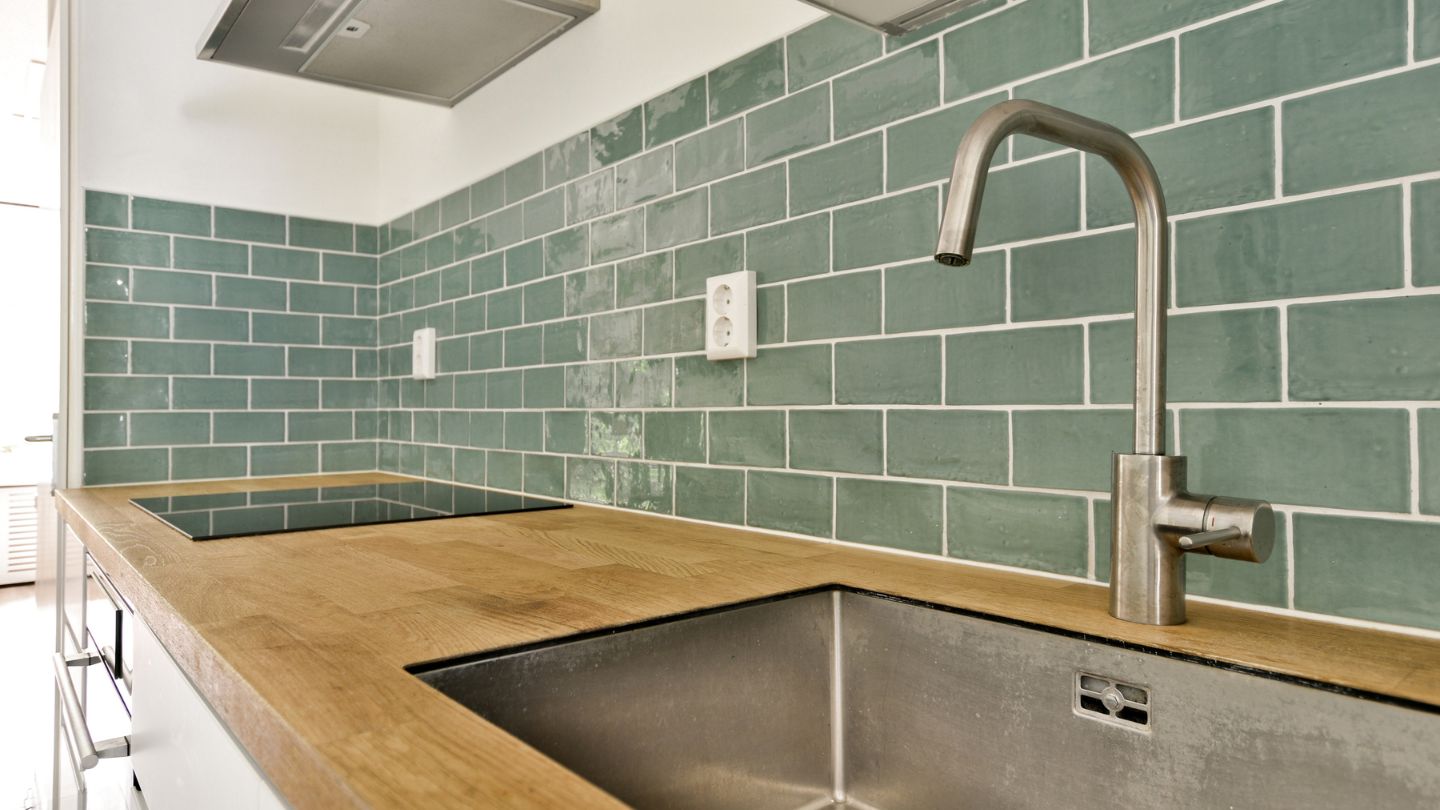
High foot traffic, dropped cookware, and grease exposure all test a tile’s durability daily. A denser, well manufactured tile holds up far longer under this kind of daily wear. See our kitchen tile options for durable choices designed for busy households.
Commercial and High Traffic Spaces
In commercial settings, tile failure does not just mean a repair bill. It can mean closing a space to customers during construction. Investing in rectified, high density porcelain upfront avoids costly downtime later. Explore our commercial tile solutions for performance built specifically for these environments.
How to Calculate the True Cost of Tile
The next time you compare two tiles by price, try running this simple calculation instead of comparing sticker price alone.
- Estimate the realistic lifespan of each tile option in years, based on material quality and manufacturer reputation.
- Divide the total project cost, including installation labor, by the number of years you expect the tile to last.
- Compare that yearly cost across your options instead of the upfront price alone.
In almost every case, a higher quality tile with a longer lifespan ends up costing less per year than a cheaper tile that needs to be replaced two or three times over the same period.
Quick Fact: A tile that costs twice as much but lasts three times as long is actually the cheaper option over its lifetime.
Frequently Asked Questions:
Not always, but it is a strong warning sign. Price alone is not the full story, but tile priced far below market average is often a sign of lower density, inconsistent batches, or weaker manufacturing standards. Always check the water absorption rating and ask about the manufacturer before buying based on price alone.
A well manufactured porcelain tile, properly installed, can last 20 years or more with minimal maintenance. Lower quality tile often shows visible wear, cracking, or staining within 5 to 7 years.
Labor. Every time a tile fails and needs replacement, the cost of removing the old tile and installing new tile gets paid again. This labor cost often exceeds the original price difference between cheap and quality tile.
Choose Tile That Pays for Itself
The cheapest tile in the store is rarely the cheapest tile over time. The real savings come from choosing a material built to last, so you are not paying for labor, repairs, and replacement tile a few years down the road.
Here is how to get started.
- Browse our full tile and stone collection to compare durable, long lasting options.
- Shop by application to find tile built specifically for your space, from bathrooms to kitchens to commercial flooring.
- Visit our showroom and let our design team walk you through water absorption ratings, manufacturer quality, and which tile will actually perform best for your project.
We carry porcelain, ceramic, natural stone, porcelain slabs, LVT, hardwood, and more, all sourced from manufacturers we trust to deliver consistent quality. Whether you are renovating a bathroom, redesigning a kitchen, or outfitting a commercial space, we can help you choose tile that saves you money over its entire lifetime, not just at checkout.