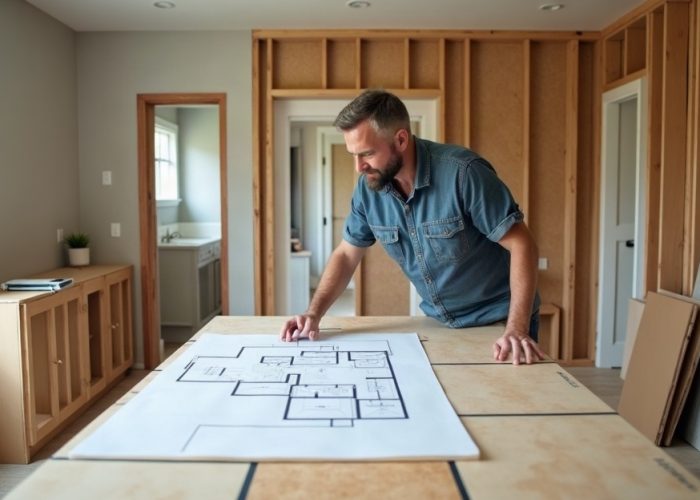
How to Choose the Right Bathroom Remodeling Company
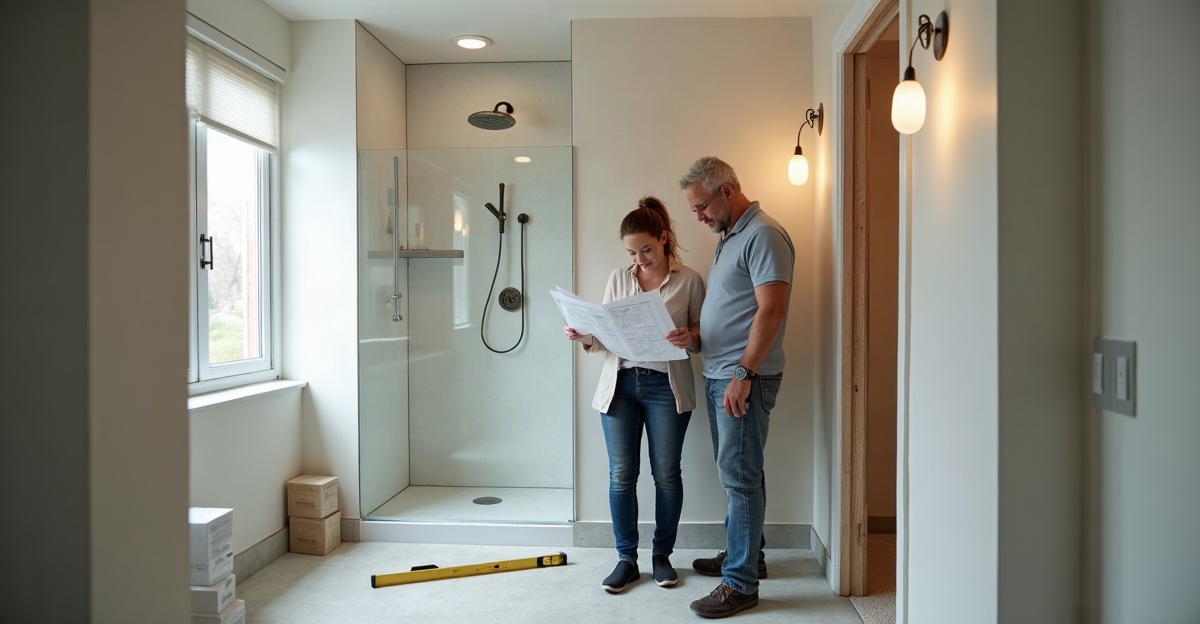
Choosing the right bathroom remodeling company starts with aligning its experience and project management style with our bathroom’s scope. That scope may range from a cosmetic refresh to a permit-driven reconfiguration. We should compare credentials, detailed estimates, waterproofing plans, communication methods, and material coordination before we sign a contract.
Key Takeaways
- Choose a contractor type that matches the work. Bathroom specialists suit defined updates, while general contractors and design-build firms handle complex, multi-trade renovations.
- Verify required local licensing or registration, insurance coverage, permit responsibility, site supervision, and written warranty terms.
- Compare itemized scopes, allowances, exclusions, and change-order procedures. We shouldn’t choose solely by the lowest total estimate.
- Ask direct questions about waterproofing, shower-pan construction, drainage, substrate preparation, ventilation, and trade coordination.
- Finalize the layout and material selections early. This step helps us account for product lead times, installation requirements, and design details in the project plan.
Find the Right Fit for Your Bathroom Project
The right bathroom remodeling company fits the project’s complexity, design needs, and management requirements. Price and proximity matter, but they shouldn’t make the final decision.
General contractors coordinate several trades and often suit renovations involving layout changes, structural work, permits, plumbing relocation, and detailed scheduling. A design-build firm combines design and construction management, which can simplify projects that need help with layout, finishes, and installation planning from one coordinated team.
Bathroom remodeling specialists focus on this room type and often bring strong experience with showers, waterproofing, tile installation, fixtures, and compact layouts. An individual trade contractor, such as a plumber or tile installer, can work well for a limited, clearly defined task. These specialists usually don’t manage a full renovation involving several trades, materials, approvals, and finish decisions.
A cosmetic update with a new vanity, tile, paint, and fixtures may suit a qualified bathroom contractor. A reconfiguration with custom cabinetry, plumbing changes, permits, and several installation teams often calls for a general contractor or design-build firm.
When comparing bathroom remodel companies near me, prioritize relevant experience and a clear process over proximity alone. Review how each company plans work, communicates decisions, manages trades, and handles issues that appear after demolition. Start with a clear project brief using our bath remodel planning guide so every company prices the same vision.
What to Verify Before You Hire a Bathroom Remodeling Company
A capable bathroom remodeling company should explain its credentials, team structure, project responsibility, and warranty terms clearly. Ask for licensing or registration details where locally required, general liability insurance documentation, and workers’ compensation coverage where applicable.
Licensing, insurance, permit, inspection, and building approval requirements vary by state, municipality, and property type. We recommend confirming requirements with the relevant local licensing authority and building department. Condo, co-op, HOA, and property management boards may also set separate renovation rules, insurance requirements, work hours, elevator procedures, and approval processes.
Establish who manages the job day to day. Ask whether the company uses employees, subcontractors, or both, and learn who supervises each phase. Confirm in writing who handles permits, inspections, and building approvals. Review the written warranty closely, including what it covers, how long coverage applies, and how warranty requests are handled.
Relevant experience should match the bathroom planned. Request recent examples that compare in size, age, style, and complexity. A small condo bath, an older-home renovation, an accessibility-focused design, and a high-end wet room each create different planning needs. Review portfolio images carefully for tile layouts, grout lines, transitions, shower niches, shelving, vanity installation, and clean finish details.
Generic star ratings provide limited insight. Instead, read recent reviews that describe projects like ours. Ask references about communication, cleanliness, schedule management, problem-solving, change orders, and post-project warranty support. Strong bathroom remodeling companies welcome informed questions and provide direct answers.
Compare Estimates by Scope, Not by Bottom-Line Price
A scope of work is the written description of what a contractor will provide, install, manage, and exclude. Compare detailed, like-for-like scopes rather than choosing the lowest total.
Every proposal should state whether it includes demolition and debris removal, protection for adjacent areas, plumbing and electrical work, framing or substrate repair, waterproofing, shower-pan work, tile labor, and setting materials. It should also address grout, sealant, trim, niches, shelves, accessories, cabinetry, countertops, fixtures, mirrors, hardware, permits, inspections, delivery, disposal, and final cleanup.
An allowance is a budget placeholder for an item that has not been selected or priced exactly. Confirm the amount, product assumptions, and installation requirements behind every allowance. A lower quote can omit demolition, waterproofing, permits, fixture installation, disposal, or realistic material allowances. Those gaps often appear later as added costs.
A change order is a written change to the agreed scope, price, or schedule after the contract is signed. Clarify exclusions, allowances, assumptions, and change-order procedures before work begins. For material decisions, our guide to long-term tile value can help us compare initial price with performance and installation needs.
How to Compare Bathroom Remodeling Companies
| Evaluation Category | What to Ask For | Potential Warning Signs |
|---|---|---|
| Credentials | Licensing or registration details, insurance documentation, and warranty terms. | Unwillingness to provide proof of insurance or unclear warranty coverage. |
| Comparable bathroom experience | Recent examples and references from similar projects. | No comparable completed work. |
| Scope detail | Itemized inclusions, exclusions, allowances, and assumptions. | Vague or unusually brief estimates. |
| Waterproofing plan | System, shower-pan approach, substrate preparation, and drainage plan. | Unwillingness to discuss waterproofing. |
| Project manager | Day-to-day contact and site supervision process. | No clear person responsible for updates or decisions. |
| Schedule | Project sequence, decision deadlines, material lead times, and delay communication process. | Unrealistic promises or no discussion of dependencies. |
| Change-order process | Written approval, pricing, and documentation procedures. | No written change-order process. |
| Material allowances | Allowance amounts, product assumptions, and installation requirements. | Vague allowances that do not reflect intended finishes. |
| References | Recent project-specific references. | Only generic reviews or reluctance to share references. |
| Permits | Responsibility for permits, inspections, and building approvals. | Unclear responsibility for permits. |
Ask Technical Questions That Protect the Bathroom’s Performance
Beautiful tile can’t compensate for poor waterproofing, weak substrate preparation, improper drainage, or uncoordinated trades. A waterproofing system is the membrane and related components that protect walls, floors, and shower areas from moisture intrusion behind the finished surface.
Ask every bathroom contractor which waterproofing system they use in showers and wet areas. Confirm how they prepare walls and floors before tile installation, build the shower pan, manage drainage, and address ventilation and moisture. Ask who coordinates plumbing, electrical, tile, cabinetry, countertops, and fixture installation.
Also establish how the team handles unforeseen conditions behind walls or below floors. The company should explain how it documents, approves, and prices change orders. Request the primary contact, update frequency, projected work sequence, and decision deadline schedule.
Bathroom size, plumbing changes, structural conditions, material lead times, building rules, permit approvals, and inspections can change the scope. Demolition may reveal repairs that weren’t visible during planning. A reliable company won’t promise a universal timeline or dismiss these realities. It will explain dependencies and keep decisions documented.
Pressure to sign immediately, vague estimates, missing insurance proof, no written change-order process, unclear permit responsibility, and reluctance to discuss waterproofing all deserve attention. Lack of comparable completed work or payment structures that feel inconsistent with local norms should also prompt more questions. No single warning sign proves a company is unsuitable. Document the answers, request clarification, and compare options carefully.
Plan Materials and Decisions Before Construction Begins
Early decisions about tile, stone, cabinetry, countertops, fixtures, and finishes shape the scope, budget, and schedule. Final selections help contractors order accurately, choose appropriate installation materials, and avoid substitutions or rushed decisions. Lead times vary, so each product’s availability should be confirmed before schedules are finalized.
Confirm the bathroom layout and plumbing changes first. Then finalize tile and grout, shower fixtures and valve requirements, vanity or cabinetry, sink and hardware, countertop material and edge details, lighting, mirrors, accessories, and ventilation. Also verify material delivery timing and any building requirements that affect deliveries or installation.
Share final product specifications with the bathroom remodeling company. This allows the scope to include correct setting materials, installation methods, transitions, trims, plumbing requirements, and lead-time planning. Coordinating tile with bathroom fixtures early creates a more unified design and avoids avoidable changes later.
Galactic Tiles is a showroom and materials resource, not a company that performs remodeling work. Homeowners and renovation professionals can use our bathroom showroom resources for tile, stone, cabinetry, countertop, finish, and visualization guidance that supports the renovation plan. Explore durable bathroom floor tiles alongside wall finishes and fixtures to build a practical, cohesive palette.
Before construction begins, visit Galactic Tiles to explore materials, compare finishes, and make confident tile, stone, cabinetry, and countertop selections that support your bathroom’s design, durability, and installation plan.
Common Questions Homeowners Ask Before Hiring
What should we look for in a bathroom remodeling company?
Focus on relevant bathroom experience, locally appropriate credentials, insurance documentation, a detailed written scope, a clear waterproofing plan, accountable project management, recent references, and written warranty terms.
How do we compare bathroom remodeling estimates?
Compare detailed scopes and allowances line by line. Review demolition, waterproofing, plumbing, electrical work, tile labor, fixtures, permits, cleanup, exclusions, and material assumptions instead of bottom-line totals alone. Our bathroom renovation cost guide can help us identify the decisions that influence the budget.
Should a bathroom contractor provide proof of insurance?
Request general liability insurance and workers’ compensation coverage where applicable, then confirm local requirements with the appropriate authority.
Who pulls permits for a bathroom remodel?
Responsibility varies by local rules and project type. Confirm in writing whether the company, homeowner, architect, or another party handles permits, inspections, and building approvals.
How do we know whether a contractor understands shower waterproofing?
Ask about the waterproofing system, substrate preparation, shower-pan construction, drainage management, and comparable completed shower projects. Review shower details alongside bathroom shower materials to ensure every finish works with the installation plan.
When should we choose tile and other bathroom materials?
Make selections as early as practical, before ordering and installation schedules are finalized. Early choices allow product availability, installation requirements, and lead times to be coordinated.
Is a design-build firm worth it for a bathroom remodel?
It can be a strong choice for projects requiring integrated design, layout changes, multiple trades, custom elements, or extensive project management. A simpler project may be well served by another qualified bathroom remodeling company.