The Most Overlooked Part of Tile Shopping
You find the perfect tile. The color is right. The finish is gorgeous. You love it.
Then six months later, it looks terrible. Stained grout, dull surface, scratches you can’t explain.
This is one of the most common problems homeowners face. And the good news? It’s completely avoidable. You just need to know what to look for before you buy.
This guide walks you through exactly how to pick tile that stays clean, looks great, and doesn’t demand hours of maintenance every week.
Pro Tip: Low-maintenance tile isn’t about finding the easiest tile. It’s about matching the right tile to the right space.
Step 1: Understand Why Some Tiles Are Hard to Maintain
Before you can choose the right tile, you need to understand why some tiles become a maintenance nightmare.
Most tile headaches come from three things.
1. The Wrong Finish for the Space
Tile finish affects how dirt, water, and grime show up on the surface. High gloss and polished tiles look stunning but they show every fingerprint, water spot, and smear in bright light. This is fine for a feature wall. Not ideal for a busy kitchen floor.
Very rough or textured tiles trap dirt in their surface texture, making them hard to wipe clean even when you do mop.
The sweet spot is a matte or lappato finish. Smooth enough to wipe clean easily, but not so shiny that every fingerprint becomes a problem.
2. Porous Materials That Absorb Stains
Natural stone tiles like marble, travertine, and limestone are beautiful, but they’re porous. Water, oil, and cleaning products can seep into the surface and cause staining, discoloration, or damage.
Porcelain tile has an extremely low water absorption rate, often less than 0.5%. That makes it far more resistant to staining, moisture, and everyday wear.
Pro Tip: Porcelain tiles are fired at higher temperatures than ceramic, making them denser, harder, and more resistant to water and stains.
3. Grout Lines That Are Too Narrow or Too Light
Grout is often the real maintenance problem, not the tile itself. Narrow grout lines are harder to clean. Light colored grout shows staining faster. Unsanded grout in high traffic areas can crack and crumble.
Choosing the right grout matters just as much as choosing the right tile. We’ll cover this in Step 4.
Step 2: Choose the Right Material for Your Space
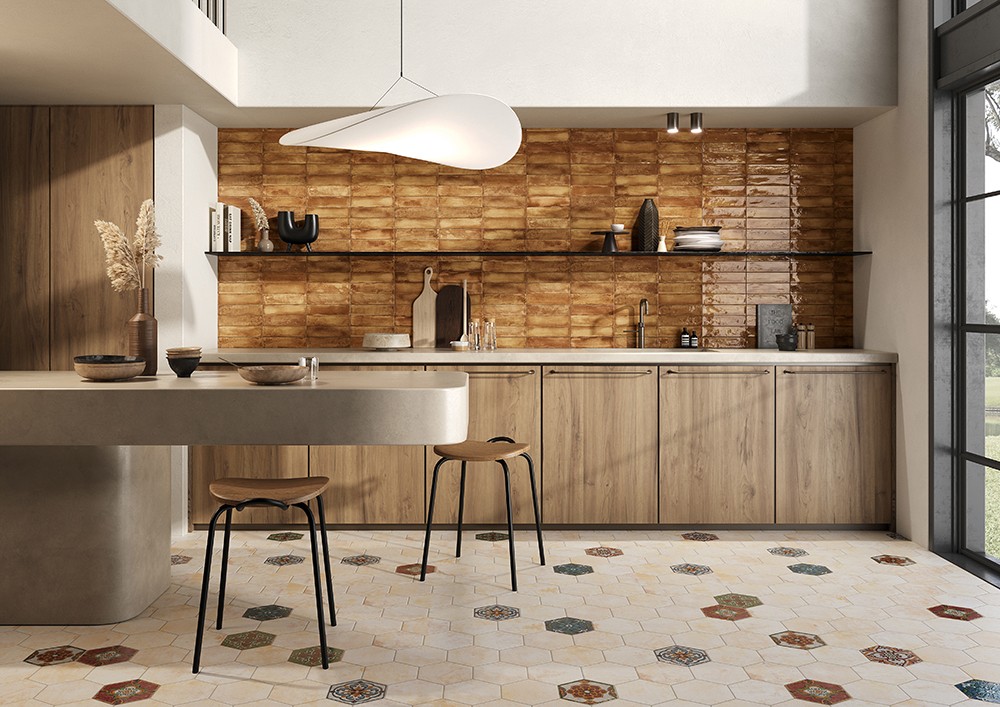
Not all tile materials are created equal. Here’s a quick breakdown of the most common options and how they compare for maintenance.
Porcelain Tile
Porcelain is the gold standard for easy care tile. It’s dense, hard, and water resistant. It works in bathrooms, kitchens, floors, walls, and even outdoor spaces.
- Water absorption rate: Less than 0.5%
- Easy to wipe clean: Yes
- Scratch resistant: High
- Best for: Bathrooms, kitchens, high traffic floors, wet areas
Browse our full porcelain tile collection to find options for every room.
Ceramic Tile
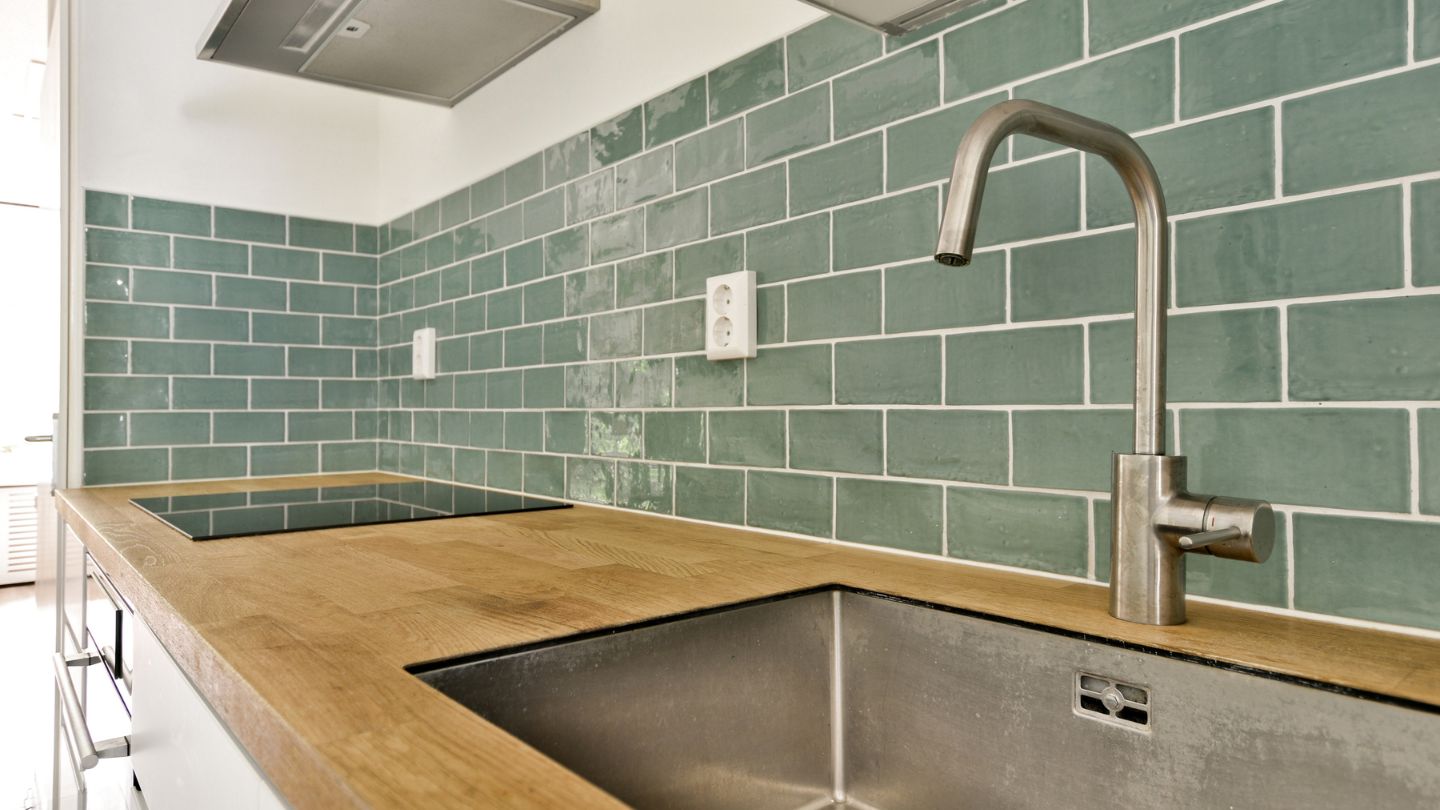
Ceramic is softer and slightly more porous than porcelain. It’s a great option for walls and areas that don’t see heavy foot traffic. It’s also usually more budget friendly.
- Water absorption rate: Higher than porcelain
- Easy to wipe clean: Yes, on walls
- Scratch resistant: Moderate
- Best for: Backsplashes, bathroom walls, accent walls
Explore ceramic tile options for walls and light use areas.
Natural Stone
Marble, travertine, slate, and limestone are stunning. But they need regular sealing and more careful cleaning. Acidic cleaners like vinegar can etch the surface permanently.
- Water absorption rate: High (must be sealed)
- Easy to wipe clean: Requires more effort
- Scratch resistant: Varies by stone
- Best for: Feature walls, low traffic areas, dry spaces
If you love the look of natural stone without the upkeep, consider a stone look porcelain tile instead. You get the aesthetic without the maintenance.
Pro Tip: Stone look porcelain tiles have come a long way. They’re virtually indistinguishable from real stone and require a fraction of the maintenance.
Step 3: Match the Finish to the Function
Once you’ve picked a material, you need to choose the right finish. This is where most people go wrong. They choose based on looks alone without thinking about their lifestyle.
Polished and Gloss Finish
High shine. Very elegant. But very unforgiving. Every water droplet, shoe scuff, and fingerprint shows. Requires frequent wiping to maintain the look.
- Good for: Feature walls, low traffic areas, decorative tiles
- Avoid for: Kitchen floors, bathroom floors, entryways
Browse polished tiles and gloss tiles for the right application.
Matte Finish
Matte tiles hide footprints, water spots, and everyday marks much better than polished options. They’re also naturally slip resistant, making them a smart choice for bathroom and kitchen floors.
- Good for: Bathroom floors, kitchen floors, entryways, outdoor spaces
- Avoid for: Feature walls where you want high visual impact
Explore our matte tile collection for practical, stylish options.
Lappato Finish
Lappato is the best of both worlds. It’s a semi polished finish that gives you a subtle sheen without the high maintenance demands of a full gloss tile. It hides marks better than polished but still reflects light beautifully.
- Good for: Bathrooms, living areas, feature floors
- Avoid for: Very wet areas where slip resistance is critical
See our lappato tile range for ideas.
Semi Polished Finish
Similar to lappato. A slightly refined surface that offers more durability than full polish. Great for areas where you want a premium look without constant cleaning.
Browse semi polished tiles for your next project.
Pro Tip: The higher the traffic, the lower the sheen. Reserve polished and gloss tiles for walls and low use areas.
Step 4: Get Your Grout Right
People obsess over tile choice and then put zero thought into grout. Big mistake. Grout covers a significant portion of your tiled surface and it’s almost always the first thing to look dirty.
Choose Larger Tiles to Minimize Grout Lines
Larger format tiles mean fewer grout joints, which means less surface area to clean. A large format floor tile in a bathroom has significantly less grout to scrub than a mosaic tile floor.
Browse our full tile and stone collection and filter by size to find large format options.
Go Darker with Grout Color
Light gray or white grout looks beautiful on day one. By month three, it looks like it’s been there for a decade. Medium to dark gray grout hides everyday dirt far better and still looks clean between deep cleans.
Use Epoxy Grout for Wet Areas
Standard cement grout is porous and can absorb staining over time. Epoxy grout is non porous, stain resistant, and far more durable, especially in showers, around toilets, and kitchen backsplashes. It costs more, but it lasts significantly longer and requires less maintenance.
Seal Your Grout
If you use cement grout, seal it. Always. A grout sealer applied after installation creates a protective barrier that prevents staining and makes cleaning much easier. Reseal it every one to two years depending on usage.
Step 5: Pick the Right Tile for Each Room
Different rooms have different demands. Here’s a room by room guide to choosing low maintenance tile.
Bathroom Floors
Bathroom floors need to handle water, soap scum, and daily foot traffic. You also need a tile with a good slip rating.
- Best material: Porcelain (low water absorption, very durable)
- Best finish: Matte or lappato (slip resistant, hides water marks)
- Best style: Larger format tiles (fewer grout lines to clean)
Browse our bathroom tile collection to find the right fit.
Kitchen Floors
Kitchen floors deal with dropped food, cooking oil, water, and heavy foot traffic.
- Best material: Porcelain
- Best finish: Matte or semi polished
- Best style: Larger tiles in neutral tones that hide crumbs and spills better
Check out our kitchen tile options designed for busy spaces.
Kitchen Backsplash
Backsplashes get cooking grease and splatter but they’re also vertical, which means liquids run off rather than sitting. You have more flexibility here.
- Best material: Ceramic or porcelain
- Best finish: Gloss or polished (easy to wipe clean since it’s vertical)
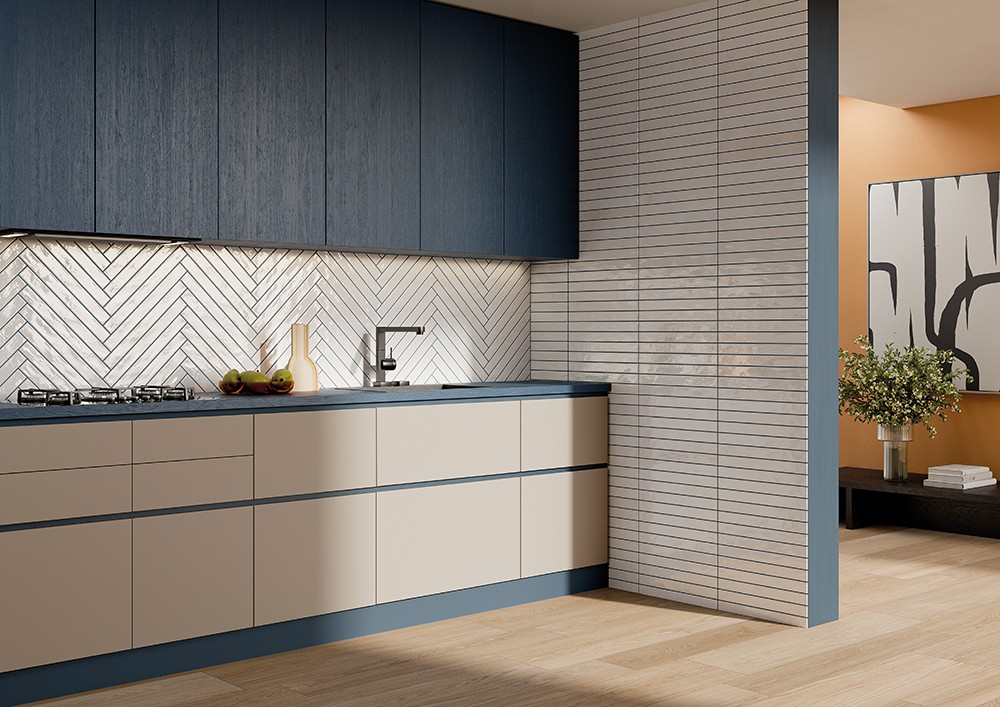
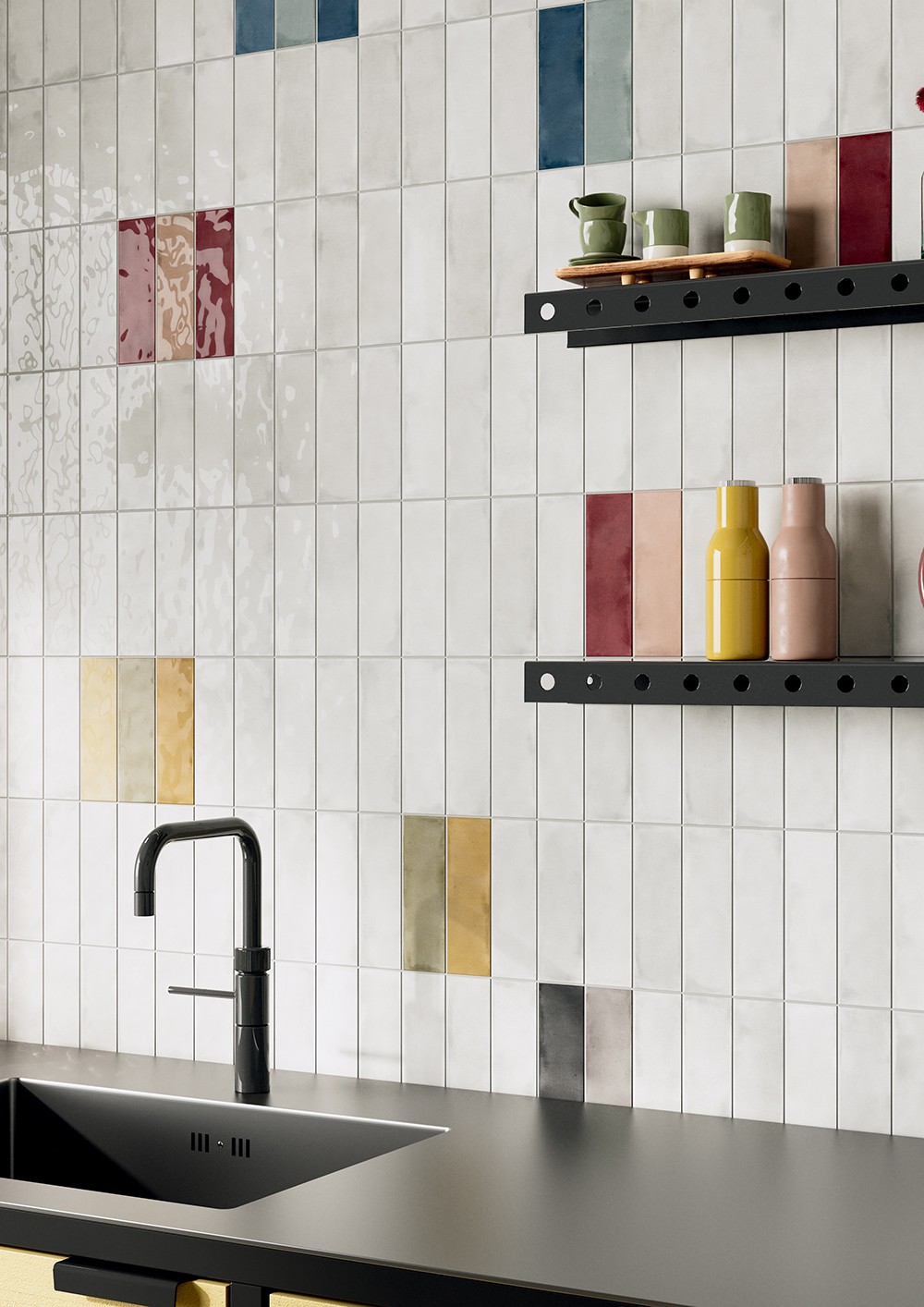
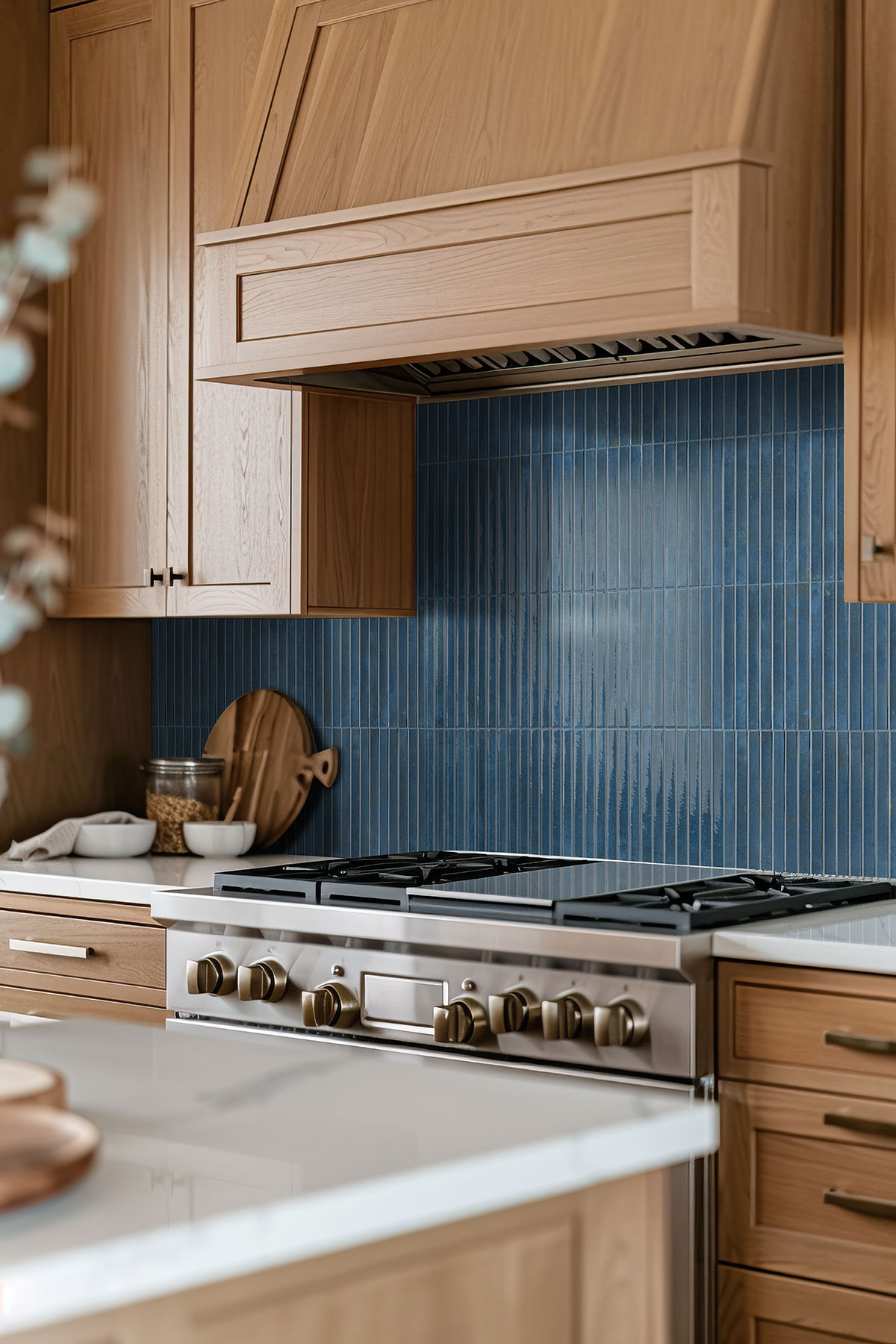
- Best style: Subway, herringbone, or large format slabs with minimal grout lines
Explore our backsplash tile collection for inspiration.
Outdoor Areas
Outdoor tile needs to handle weather, UV exposure, temperature changes, and slip risk.
- Best material: Porcelain (frost resistant, UV stable)
- Best finish: Matte or textured (for grip)
- Avoid: Polished or gloss tile outdoors as it becomes slippery when wet
Browse our outdoor tile range built for the elements.
High Traffic Commercial Areas
Commercial spaces need tile that’s almost indestructible and still easy to clean.
- Best material: Rectified porcelain, precision cut for tight, even grout lines
- Best finish: Matte or lappato
- Best style: Large format, simple patterns, neutral tones
See our commercial tile solutions for durable, high performance options.
Step 6: Avoid These 7 Common Tile Mistakes
Even with the right material and finish, these mistakes can make tile harder to maintain than it needs to be.
- Choosing polished tile for floors. Looks incredible. Shows every mark. Save it for walls.
- Using white grout everywhere. It will look dirty within weeks in a bathroom or kitchen.
- Skipping grout sealer. Unsealed grout absorbs stains like a sponge. Always seal.
- Picking a tile based on the showroom sample only. Ask for a larger sample and view it in your actual lighting conditions before committing.
- Ignoring the slip rating. Especially for wet areas. A slippery tile is a safety issue.
- Over grouting. Grout lines wider than needed just mean more surface to clean.
- Using the wrong cleaning products. Acidic cleaners destroy natural stone and can dull certain finishes. Always check the manufacturer’s care guide.
Step 7: Easy Maintenance Tips Once Your Tile Is Installed
Even the best low maintenance tile needs some care. Here’s how to keep it looking great with minimal effort.
Daily Habits That Make a Big Difference
- Wipe up spills immediately, especially on natural stone and light grout
- Use a squeegee on shower walls after each use to prevent water spots and soap buildup
- Place door mats at entryways to trap grit that can scratch tile over time
Weekly Cleaning Routine
- Sweep or vacuum before mopping because grit acts like sandpaper under a mop
- Use a pH neutral tile cleaner and avoid anything acidic or bleach based unless the tile manufacturer specifically allows it
- For polished tiles, use a microfiber mop to avoid streaking
Monthly and Seasonal Care
- Check grout for cracks or discoloration and address early
- Reseal natural stone and cement grout once a year or as recommended
- Deep clean shower tiles with a non abrasive tile cleaner to tackle soap scum buildup
Low Maintenance Tile Collections Worth Exploring
If you’re shopping for easy care tile, here are some of our most popular collections and styles to start with.
- Porcelain Tile Collection is dense, durable, and water resistant. The ultimate low maintenance material.
- Matte Finish Tiles hide footprints and watermarks. Ideal for floors.
- Stone Look Tiles give you the beauty of natural stone without the upkeep.
- Marble Look Tiles offer timeless elegance with porcelain durability.
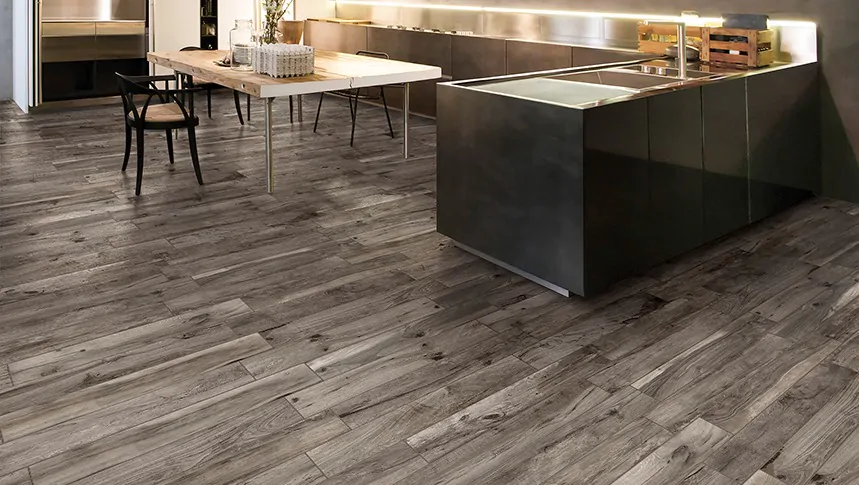
- Wood Look Tiles bring the warmth of wood with zero warping, staining, or refinishing needed.
- Lappato Finish Tiles give you a subtle sheen that’s far easier to maintain than full polish.
- View All Tile Collections to browse everything in one place.
Frequently Asked Questions:
Porcelain tile with a matte or lappato finish is generally the easiest to maintain. It has low water absorption, resists staining, and hides everyday marks much better than polished or gloss finishes.
Epoxy grout is the easiest to clean and the most stain resistant. For cement grout, choose a medium to dark color and always apply a grout sealer after installation.
A matte or lappato porcelain tile is ideal for bathroom floors. It’s water resistant, slip resistant, and hides water marks and soap residue far better than polished alternatives. Browse our bathroom tile collection to find the right option.
Ready to Find Your Perfect Low Maintenance Tile?
Choosing the right tile upfront saves you hours of cleaning and years of frustration. At Galactic Tiles, our design specialists are here to help you find tile that looks stunning and stays that way.
Here’s how to get started.
- Browse our full tile and stone collection to explore all materials, finishes, and styles.
- Shop by finish to find the right sheen level for your space.
- Shop by application to see tiles curated for bathrooms, kitchens, and floors.
- Visit our showroom and let our design team help you choose the right tile for your lifestyle, not just your aesthetic.
We carry porcelain, ceramic, natural stone, porcelain slabs, LVT, hardwood, and more, all from industry leading manufacturers. Whether you’re renovating a bathroom, redesigning a kitchen, or tiling a commercial space, we have the right tile for you.
Visit galactictiles.com to explore our full collection.