Interior Remodeling Trends Worth Considering This Year
Interior remodeling trends worth considering this year combine warm, layered finishes and expressive tile with durable surfaces, practical storage, and layouts that support daily routines. We prioritize lasting elements, such as flooring, cabinetry, countertops, and wet-area materials. Then, we add character with simple updates like paint, hardware, lighting, and accent tile.
Key Takeaways
- We choose trends based on room conditions, including moisture, foot traffic, cleaning routines, pets, and household needs.
- We use warm neutrals, natural-look materials, wood cabinetry, and coordinated finishes to create flexible, cohesive interiors.
- We select large-format porcelain and stone-look tile for clean, low-maintenance surfaces. We also plan installation details and slip resistance with care.
- We improve kitchen performance through organized storage, defined work zones, and countertop materials that suit cooking habits and maintenance needs.
- We design bathrooms around waterproofing, drainage, ventilation, safety, and surfaces that fit our preferred level of upkeep.
How to Tell Whether a Remodeling Trend Is Worth the Investment
Worthwhile interior remodeling trends balance visual appeal with function, durability, maintenance, flexibility, architecture, and budget. A finish can look current today and still be a poor fit if it cannot handle daily life.
We recommend assessing every residential remodeling decision by room and household needs. Moisture exposure, foot traffic, cleaning habits, family size, pets, and renovation scope all matter. A handmade tile wall may suit a low-traffic powder room beautifully, while a busy family kitchen may need a tougher, simpler-to-clean surface.
Strong home remodeling plans start with lasting foundations. Durable flooring, functional cabinet layouts, quality cabinetry, and versatile countertops usually deserve the larger share of the budget. Paint, hardware, mirrors, lighting, and accent tile offer easier ways to add personality and refresh a room later.
Thoughtful layouts, cohesive finishes, quality materials, and professional installation can support homeowner satisfaction and buyer appeal. Results still vary by property, market conditions, and project execution. We focus on choices that feel right for daily living first.
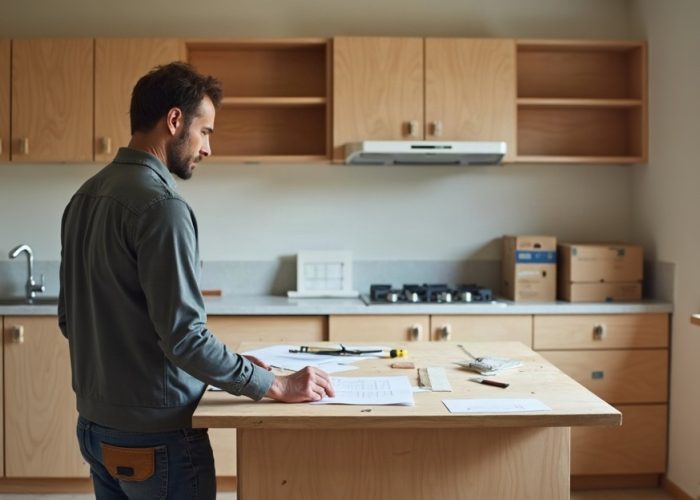
A cosmetic refresh may involve paint, fixtures, and hardware. Room-specific remodeling can include new tile, cabinetry, or countertops. Whole home remodeling coordinates finishes, flooring, and function across several rooms. Kitchen and bathroom layout changes often involve plumbing, electrical, ventilation, permits, flooring height, and sometimes structural work. Our kitchen and bath remodeling tips can help us plan these connected decisions with fewer surprises.
Warm, Layered Neutrals and Materials That Add Lasting Character
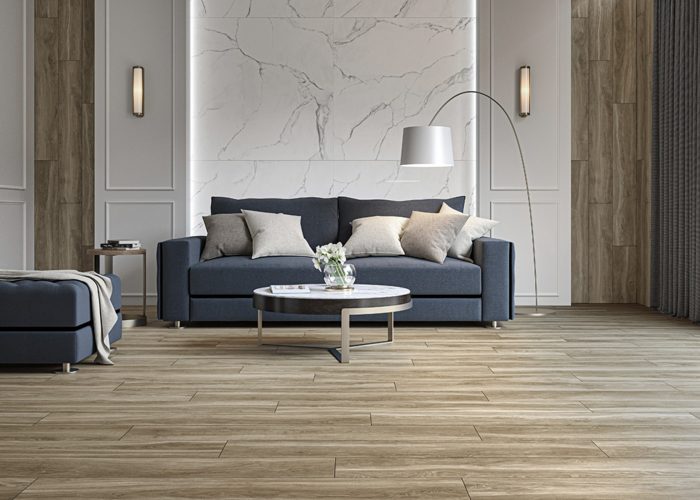
Warm whites, taupes, clay tones, soft greens, warm woods, and stone-inspired surfaces bring depth without relying on a highly specific color trend. These shades work across traditional, transitional, modern, and contemporary homes, making them practical choices for longer-term surfaces.
We suggest keeping flooring, countertops, and large wall areas relatively neutral. Personal color and pattern can then appear in paint, art, hardware, lighting, or a focused tile detail. This approach makes future updates simpler without making a renovated room feel plain.
Cabinetry continues to move toward warm wood finishes, painted colors, mixed materials, simple door profiles, and intentional hardware. Since cabinetry is a significant long-term investment, construction quality, storage function, and finish durability should lead the decision. Hardware and paint can change later; cabinet boxes and layouts are far harder to replace. Explore kitchen cabinetry options that support how we cook, store, and gather.
Material continuity can also make whole home remodeling feel settled and cohesive. Repeating compatible floor tones, hardware finishes, cabinet colors, or stone selections creates visual flow. We do not need identical materials in every room, though. A bathroom floor must meet different performance needs than a living room floor.
Natural stone brings genuine variation and character. Depending on the type and application, it may need sealing and closer care, and some stones can stain, scratch, or etch. Porcelain stone-look tile offers a lower-maintenance stone appearance for many high-traffic and wet spaces when properly selected and installed. Quartz countertops are typically nonporous and low-maintenance, though heat exposure and manufacturer care guidance still matter. Compare options through our tile and stone materials selection.
Continuous Surfaces, Textured Tile, and Feature Moments
Large-format tile and continuous surfaces create a streamlined look with fewer grout lines. They can work on floors, walls, and shower surrounds, and they may make smaller rooms feel more open. Successful installation requires careful scale and layout planning, sound substrate preparation, precise cuts, safe handling, and professional installation.
Porcelain tile is generally dense, durable, and water-resistant, making it suitable for many high-traffic and wet applications when properly selected and installed. Surface finish and product rating matter, especially where slip resistance is important. Not all tile is waterproof. The product specification, grout, installation method, waterproofing system, and intended application all affect performance.
Textured tile adds depth through handmade-look variation, zellige-inspired surfaces, fluting, ribbing, matte finishes, and dimensional forms. These tiles often show shade variation and surface texture, so grout color, joint width, and cleaning needs deserve attention. A textured backsplash, powder room wall, or feature wall can create impact without taking over the entire room.
Statement backsplashes remain a strong way to bring character into a kitchen. Expressive tile, full-height installations, mosaics, and slab backsplashes can all work well. We balance a bold selection with cabinet color, countertop movement, lighting, and long-term comfort with the design. For added direction, see these kitchen remodel ideas.
Kitchens That Work Harder: Flexible Layouts, Storage, and Countertops
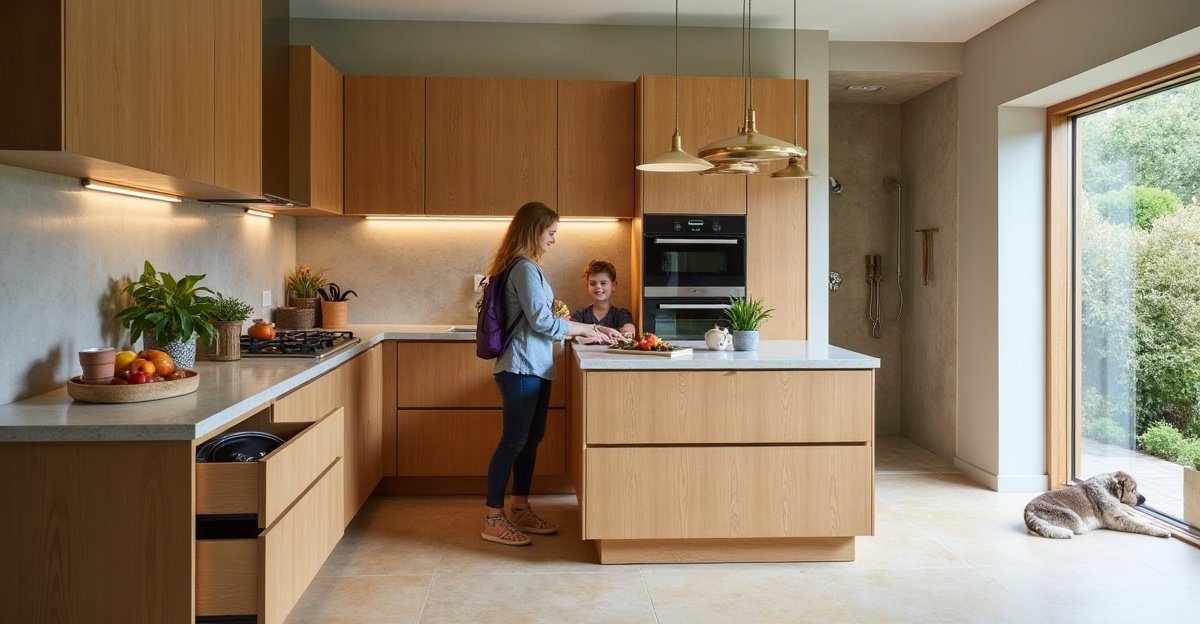
The best kitchen trends improve how the room performs. Storage-forward cabinetry, pantry solutions, drawer organization, integrated waste storage, well-planned islands, and dedicated work zones make daily routines easier while keeping the room visually calm.
Changing a kitchen layout requires early planning. Existing plumbing locations, electrical service, ventilation paths, structural conditions, building requirements, and permits may shape what is realistic. We recommend confirming these constraints before selecting finishes or finalizing a cabinet plan.
Countertops should match household habits rather than a single style direction. Quartz is typically low-maintenance and nonporous, but we should consider heat exposure, seams, edge profiles, scratches, and care guidance. Natural stone offers distinct depth and variation, with care needs that vary by stone type. Porcelain and sintered stone can provide durable, design-forward surfaces, though fabrication needs, edges, seams, and intended use should be confirmed. Our kitchen countertops selection makes it easier to compare surfaces in person.
Cabinet finish durability also varies by construction quality, finish type, use patterns, and maintenance. Frequent cooks, households with children or pets, enthusiastic entertainers, and owners who enjoy natural patina may each make different choices. We build the kitchen around real routines, then layer in current design details that still feel personal.
Bathrooms Designed for Comfort, Safety, and Everyday Performance
Bathroom remodeling continues to favor spa-inspired comfort with practical performance. Low-threshold or curbless showers may suit some plans, while large-format wall tile, built-in niches, layered lighting, warm finishes, and easy-clean surfaces create a calm everyday retreat.
Safety and water management should guide the design. We consider slip resistance, drainage slope, waterproofing, ventilation, grout upkeep, water exposure, accessibility needs, and professional installation from the start. Shower walls, shower floors, and wet-room applications require products suited to their specific conditions. Surface finish and rating matter; we should never assume every tile performs the same way.
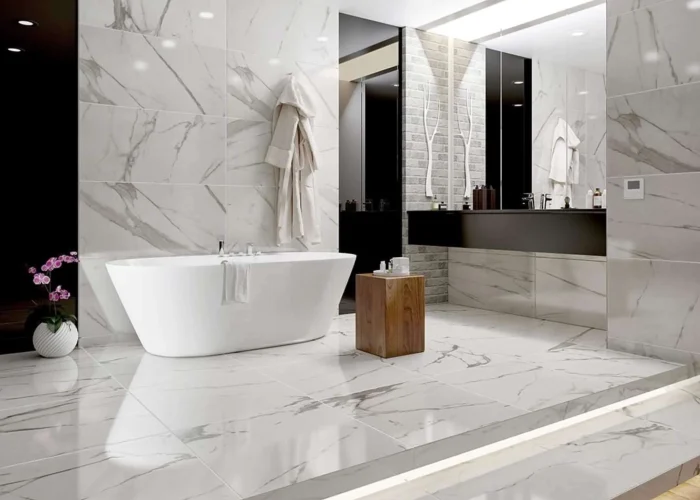
Natural stone brings richness to a bathroom but may need sealing and more attentive care. Porcelain or quartz may better suit projects that prioritize lower maintenance. Large-format tile can work in small bathrooms because fewer grout lines can create a more open appearance. Tile scale, layout, cuts, substrate condition, and installation complexity still require careful planning. Find visual direction in our modern bathroom tile ideas and bathroom remodeling options.
Choose Materials and Trends Around Your Home’s Real Constraints
The right material depends on the room, the household, and the conditions behind the walls and floors.
| Trend/Material Direction | Best Applications | Key Benefits | Practical Considerations | Best Fit For |
|---|---|---|---|---|
| Large-format porcelain tile | Floors, walls, showers | Streamlined look, fewer grout lines, durable surface | Requires sound substrate and skilled installation | Modern, low-maintenance rooms |
| Natural stone | Countertops, walls, selected floors | Natural variation and depth | May need sealing; some types can etch, stain, or scratch | Owners comfortable with attentive care |
| Stone-look porcelain | Wet areas, busy floors, walls | Stone appearance with simpler upkeep | Confirm finish, rating, and installation method | Active households |
| Quartz countertops | Kitchens, vanities | Typically nonporous and low-maintenance | Consider heat, seams, edges, and care guidance | Easy-care kitchens |
| Textured tile | Backsplashes, feature walls, powder rooms | Tactile depth and visual interest | Texture and grout can need added cleaning | Focused design moments |
| Warm wood cabinetry | Kitchens, baths, storage areas | Lasting warmth and character | Finish durability varies by use and construction | Layered, welcoming interiors |
| Statement backsplash tile | Kitchen backsplashes | High visual impact in a contained area | Balance with counters, cabinets, and lighting | Personal, expressive kitchens |
Before We Commit
Before finalizing a home renovation selection, we should confirm the following:
- Will the material stand up to moisture, pets, children, heavy traffic, or frequent cooking?
- How much ongoing maintenance are we comfortable with?
- Is this a permanent material selection or an easier-to-update decorative layer?
- Does the scale suit the room size and natural light?
- Does the project require plumbing, electrical, ventilation, flooring-height, or structural changes?
- For a condo, co-op, or multifamily property, are approvals, insurance requirements, work-hour rules, or elevator reservations required?
- Have we viewed full-size samples in the home’s lighting?
Condos, co-ops, brownstones, multifamily properties, and older homes can introduce added constraints. Limited storage, smaller square footage, building approvals, existing plumbing locations, uneven substrates, hidden conditions, and trade coordination may all affect the plan. A detailed site review helps establish a realistic path before materials are ordered.
Common Remodeling Questions
The interior remodeling trends most likely to last use warm neutrals, durable materials, functional storage, flexible layouts, and controlled feature moments. They support the architecture and household rather than chasing visual novelty.
For a low-maintenance kitchen remodel, quartz, properly selected porcelain, durable cabinet finishes, and organized storage are often strong options. The best combination depends on cooking habits, cleaning preferences, and desired look.
Natural stone and porcelain can both work in bathrooms. Stone offers organic character but may require greater care. Porcelain often provides simpler maintenance and broad application flexibility.
Large-format tile can suit small bathrooms when its scale, layout, cuts, and installation conditions are planned carefully. Fewer grout lines may help the space feel more open.
Paint, hardware, lighting, mirrors, and select accent tile are usually the easiest updates to change later. Cabinet layouts, flooring, countertops, and major wall tile deserve a more timeless approach.
Before changing a kitchen or bathroom layout, we should review plumbing, electrical, ventilation, permits, drainage, structure, flooring transitions, and building rules. Our bath remodel planning guide offers a useful starting point.
We invite homeowners to bring plans, measurements, photos, and inspiration images to the Galactic Tiles showroom. We can compare full-size samples and discuss materials suited to the project’s needs, style, and daily demands.